


When looking for inspiration, it is both tempting and natural to look at what history’s most influential figures did at the height of their fame.
Arguably however, it is more interesting and helpful to consider what they did before achieving greatness, to better understand what inspired them.
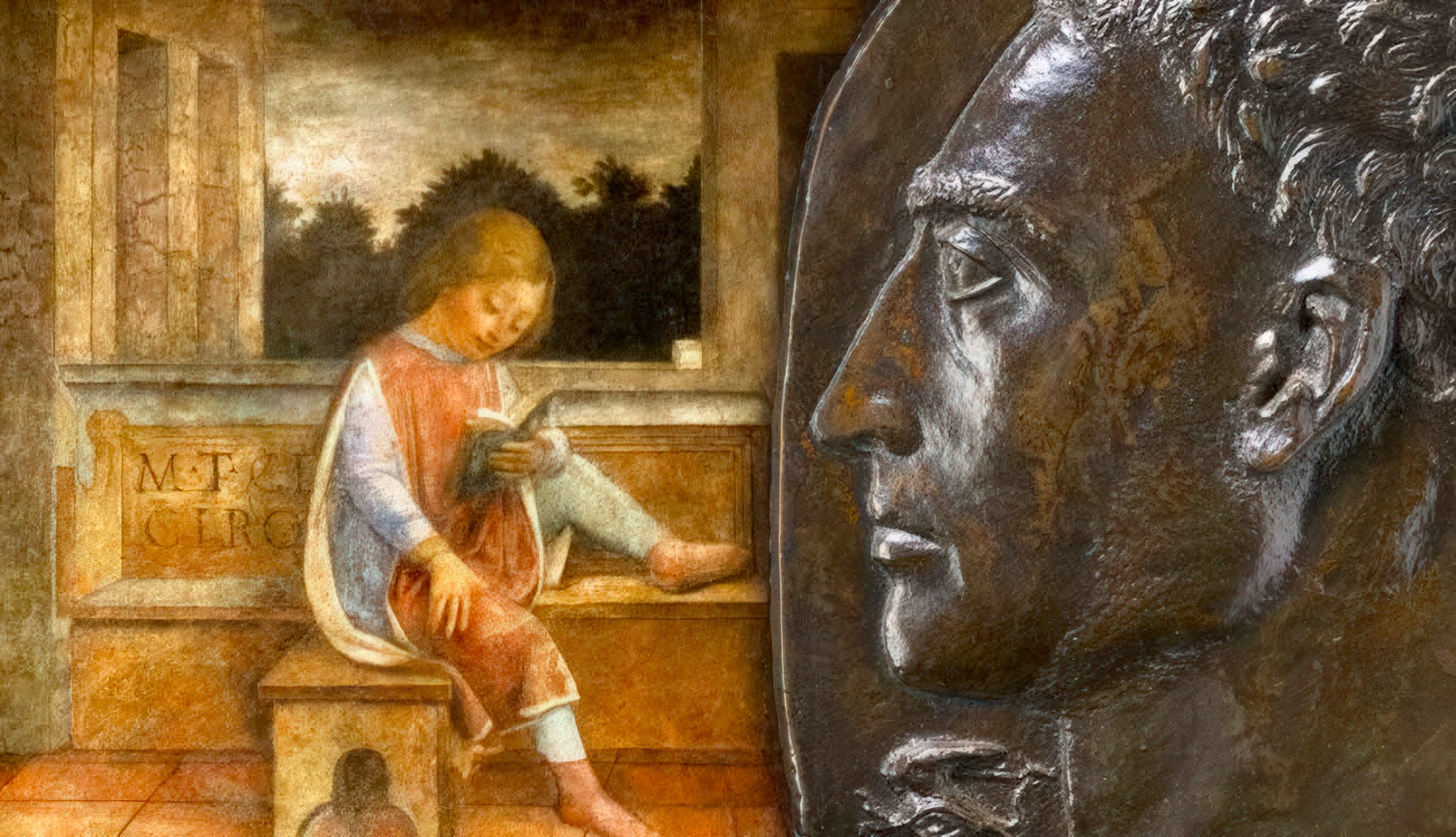
One extraordinary example we have of this is a work that is almost entirely unknown in the English speaking world — I Libri della Famiglia. Literally The Books of the Family, it was written around 1430 by a young Leon Battista Alberti, the man who would go on to become arguably the first true ‘Renaissance man’.
His later works would rewrite the rulebook for both art and architecture, and propel the Florentine Renaissance to its golden age. But the preface alone of I Libri della Famiglia offers an extraordinary insight into what motivated him, and what he believed society needed to start doing.
So, what can the founding father of the Renaissance aesthetic teach us about inspiring a new Renaissance?
Agency over Fortune
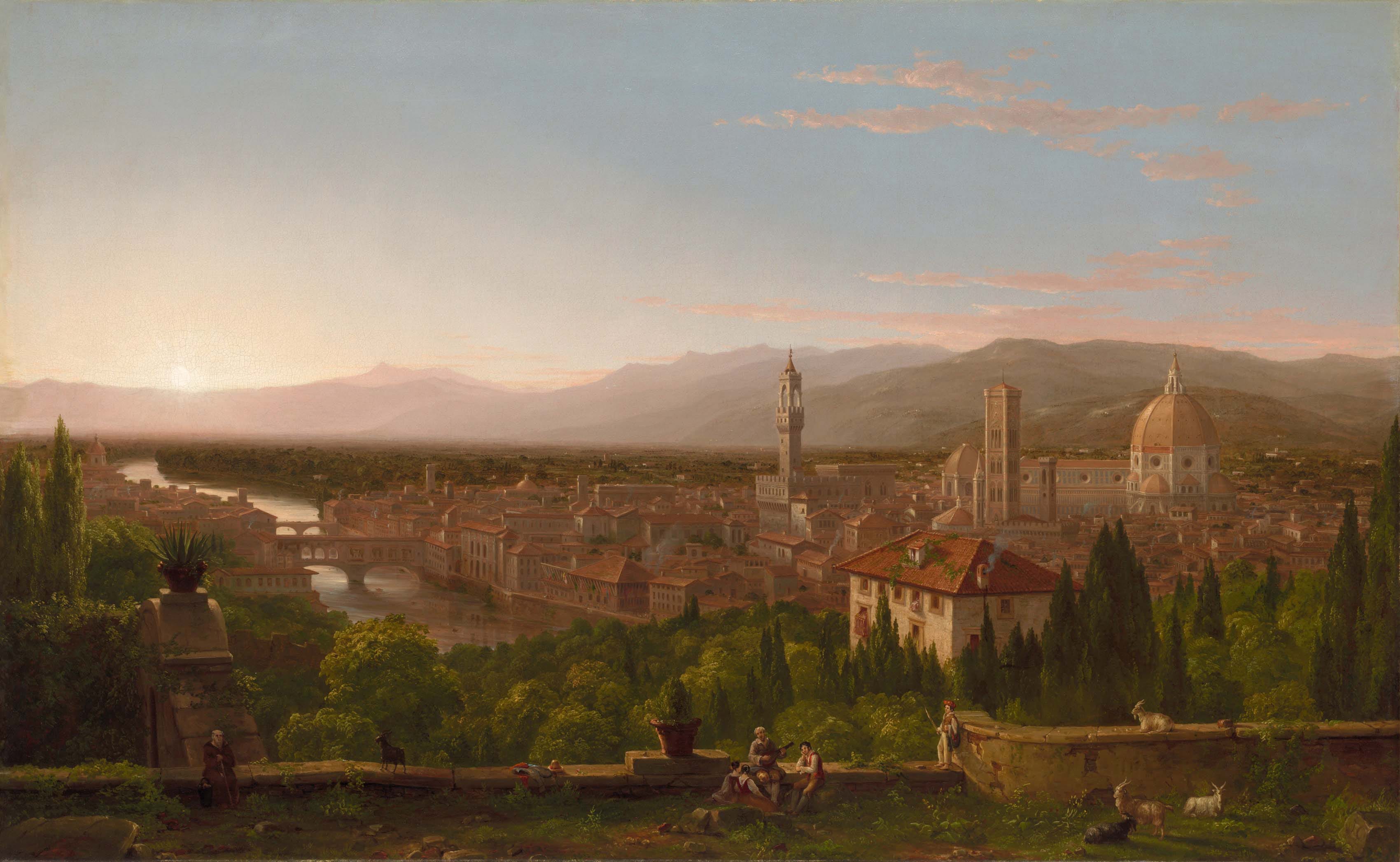
We know from his own autobiography that Alberti, a scion of a wealthy Florentine family, wrote the Libri della Famiglia when he was in his late twenties, while serving as a secretary to the Papal Curia in Rome.
As befits the title, the work was primarily intended for his family, not the public. When Alberti rose to success and fame in Florence, the Libri were entirely buried by his later masterpieces, and it was not until the 19th century that the rediscovered work was identified as having been written by him. As a result, there is an air of sincerity about it, and something quite personal too. After all, it appears to have been written in a frustrated response to the decline in fortunes of his own family, which had been unceremoniously exiled from Florence decades earlier for political reasons.
Doubtless inspired by the plight of the Alberti family, he took an interest in the plight of Italy, and how it was that she had fallen from her imperial greatness. Was it all just bad luck?
“When I recall from ancient histories and from the memory of our elders that many families which were once most happy and renowned are now extinct, as we have been able to witness in our own day in Italy and elsewhere, I often grieve and wonder. Can an unjust and malevolent Fortune have such power over men?”
Leon Battista Alberti, I Libri della Famiglia, Preface
It was a depressing thought to him indeed. If families as great as the the Fabii, Decii, Drusi, Gracchi of Ancient Rome could fall, what hope was there for the humble Alberti, mere merchants of Tuscany?
As a result, Alberti dedicates the Preface of the Libri to considering this question. Is it fortune, or agency, that is the undoing of great families and great nations?
Drawing on the misfortunes of his own line, Alberti has the sincerity and humility to declare that attributing all failures to ‘bad luck’ is to abdicate responsibility:
“But if anyone wishes to investigate carefully what exalts and ennobles families and maintains them at the height of honor and magnificence, he will clearly see that most of the time men are themselves responsible for whatever good or ill befalls them. Nor, certainly, will he ever attribute such power to fortuitous circumstance as to be led to conclude that ability is not of more avail than Fortune in gaining praise, importance, and fame”
Leon Battista Alberti, I Libri della Famiglia, Preface
After all, successes and failures are always the consequence of decisions that somebody has taken along the way:
“Just laws, virtuous princes, prudent councils, resolute and steadfast deeds, love of country, loyalty, diligence, the citizens’ most scrupulous and praiseworthy obedience, these have always enabled nations to achieve and seize fame, even without Fortune’s aid”
Leon Battista Alberti, I Libri della Famiglia, Preface
Ultimately therefore, it is counterproductive to simply lament the fall of Rome as a tragedy. Instead, Alberti argues, it is far better to be honest about what she did right, what she did wrong, and accept our own agency for the times we live in…
The True Source of Rome’s Greatness
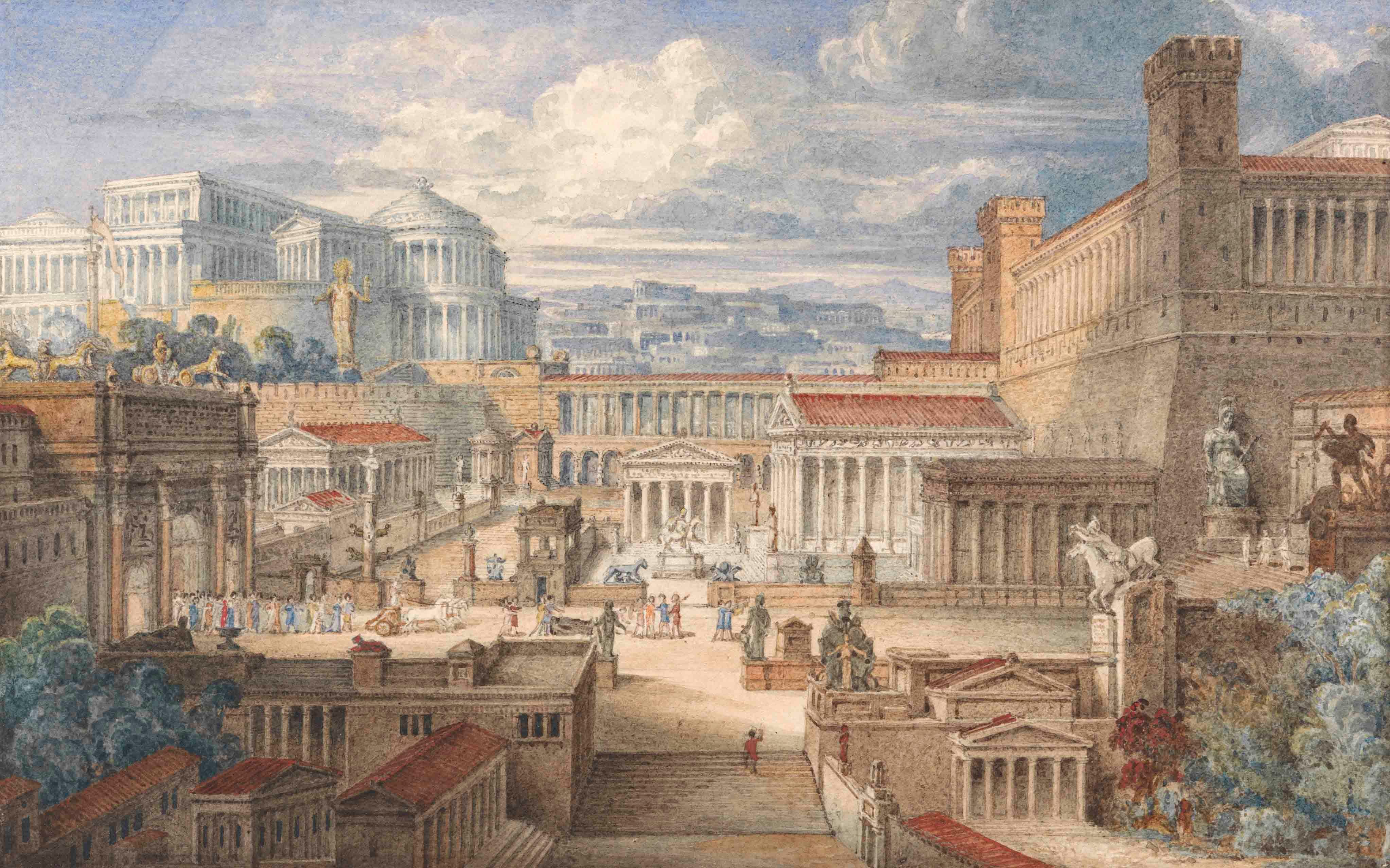
After denouncing the irresponsible opportunism of the Macedonian generals following the death of Alexander the Great, which doomed his empire by prioritising personal ambition over public good, Alberti quickly brings the discourse home:
“And is the same not true of our own Italy? As long as our excellent and most sacred ancient institutions were observed by us; as long as we were willing to emulate our forefathers and acted with vigor to surpass the glory of past generations; as long as we thought it our duty and obligation to offer all our works, industry, and skill, and indeed all our possessions to the fatherland for the public good and the welfare of all citizens; as long as we risked our possessions, our blood, our very lives to uphold the authority, majesty, and glory of the Latin name, was there a people, was there a fierce and barbarous nation which did not fear and obey our edicts and laws?”
Leon Battista Alberti, I Libri della Famiglia, Preface
It is an increasingly popular position today to argue that we have ‘lost touch with our roots’. So much so that it has largely become a cliché on social media. To say this in 1430, however, was rather more original.
After all, the Renaissance itself is called that because it literally means rebirth, and incarnated the will to see the glory of Antiquity born again. The importance of understanding what core principles governed your cultural identity was indeed an argument which another illustrious Florentine, Niccolò Machiavelli, would repeat a century later. Alberti, however, avoided sliding into excessive sentimentality by alluding to a plain truth:
“Can it be said that our marvelous, boundless empire, our dominion over all peoples obtained through our Latin virtues, acquired through our industry, and strengthened through our Latin might, was granted us by Fortune? Shall we say that we are indebted to Fortune for what we acquired through manliness? Shall we ascribe to Fortune the prudence and moderation of Fabius, that singular man who, by delaying and biding his time, restored to the Romans their nearly extinct freedom?”
Leon Battista Alberti, I Libri della Famiglia, Preface
If we stop looking at historical trends in terms of ‘luck’, then it stands to reason that human flaws brought down Rome, and therefore human virtues could raise Italy up again.
Indeed, Alberti argues, Rome’s greatness lay precisely in her refusal to bow to the fickle course of Fortune.
“In how many ways was Fortune with all her power and malice seen to battle and strive against Latin armies at Cannae, Trebia, and Trasimenus, in Gaul, Spain, and other places, with no less hatred and wrath than the most cruel and monstrous enemies?”
Leon Battista Alberti, I Libri della Famiglia, Preface
Rome, after all, was never an invincible military colossus. Her path to empire was frequently tempered with humiliating defeats. Cannae alone, which cost Rome over 50,000 lives on a single day, would have established a narrative of inevitable defeat in lesser nations. Rome’s virtue lay in remaining grounded in the face of crisis. She was only ever strengthened by the tempering fire, for the ordinary Roman feared betraying the glory of Rome more than he did death.
Rome therefore, had grasped a dangerously simple concept. That Fortune follows success, not the other way round:
“Though the glorious course of Roman victories was often interrupted by envious Fortune, yet to Roman valor glory could never be denied. As long as they considered valiant deeds and the observance of their country’s just laws to be both the ornament and the strength of their empire, a benign and favorable Fortune always accompanied the Romans.”
Leon Battista Alberti, I Libri della Famiglia, Preface
In more modern terms, therefore, Alberti is telling us that the first step to renewal is to reject a ‘narrative of decline’, and accept that you have it in your power to make difference.
But what do we do with this?
