
Returning Civilization to Its Roots
Machiavelli on which states last the longest...


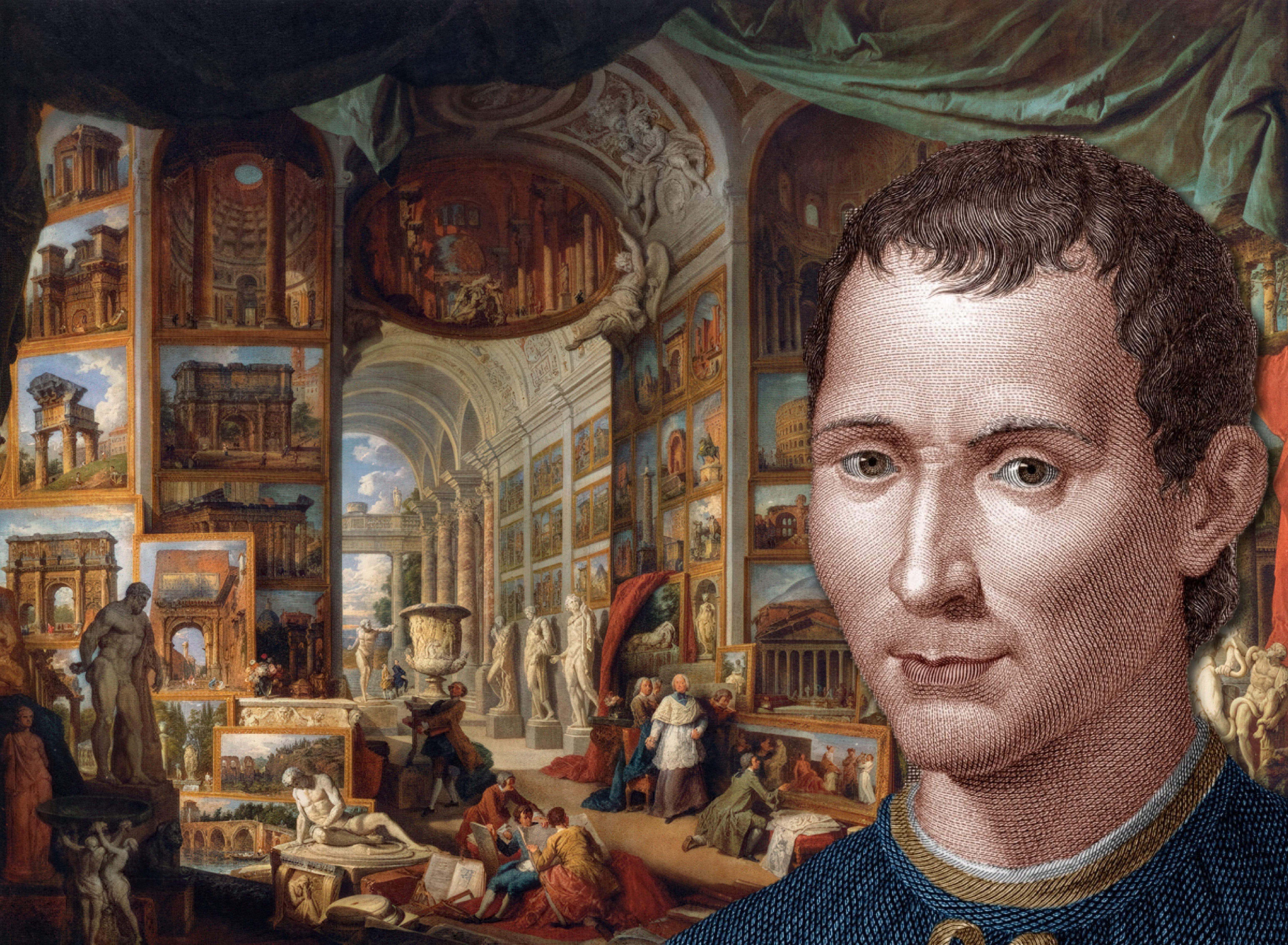
It is said that we should never forget our roots. Beyond the cliché, however, is a simple and eternal truth.
Roots are essential because without them, nothing is fixed, and therefore nothing has or will have any value. A man needs purpose to live, and without it he merely exists. Societies, too, need roots in order to thrive, or rudderless anarchy awaits.
It is a phenomenon that one of the most infamous thinkers of history, the Florentine statesman Niccolò Machiavelli, considered in great depth. While his pragmatic and cynical study of power dynamics in The Prince might be more famous, of no less value are his reflections on Ancient Rome. The Discourses on the First Ten of Livy, as they are called, are a fascinating collection of mini essays that consider where, according to Machiavelli, the Romans succeeded and failed.
One of these essays, titled “For a Sect or Commonwealth to last long, it must often be brought back to its Beginnings”, offers many fascinating insights into how a man of Renaissance Italy judged Ancient Rome, and what he believed we can learn from it.
So what did Machiavelli get right, what did he overlook, and how can we build a civilization that will endure?
Reminder: Your support of just a few dollars a month would help us out a ton! Our goal is to arm you with as much useful knowledge as possible during these unstable times. Please consider subscribing 🤝
Two full-length, new articles every single week
Get actionable principles from history to help you navigate modernity
Access to the entire archive of useful knowledge that built the West
Support independent, educational content that reaches millions
The Character of the State
“Now the way to renew them is, as I have said, to bring them back to their beginnings, since all beginnings of sects, commonwealths, or kingdoms must needs have in them a certain excellence, by virtue of which they gain their first reputation and make their first growth”
Machiavelli, Discourses on the First Ten of Livy, III.1
For a society to be considered a civilization, Machiavelli argues that it must be founded upon certain, clearly identifiable principles.
This alone is hardly a revolutionary thought, but Machiavelli expands on this with a more useful ‘twist’. That civilizations begin to decay when those principles are reduced to ritual without meaning. Quite simply, when governments claim to act out of principles that they no longer actually practice.
Often, this occurs because of the steady accumulation of unnecessary laws — the result of decades and centuries of ‘temporary fixes’ that became permanent through compromise and inertia, complicating the operation of governance and diluting its efficacy. Machiavelli himself uses the analogy of rogue physicians, whereby instead of properly curing the patient’s complaint, they turn to so many successive treatments that they soon find themselves treating the consequences of their own prescriptions.
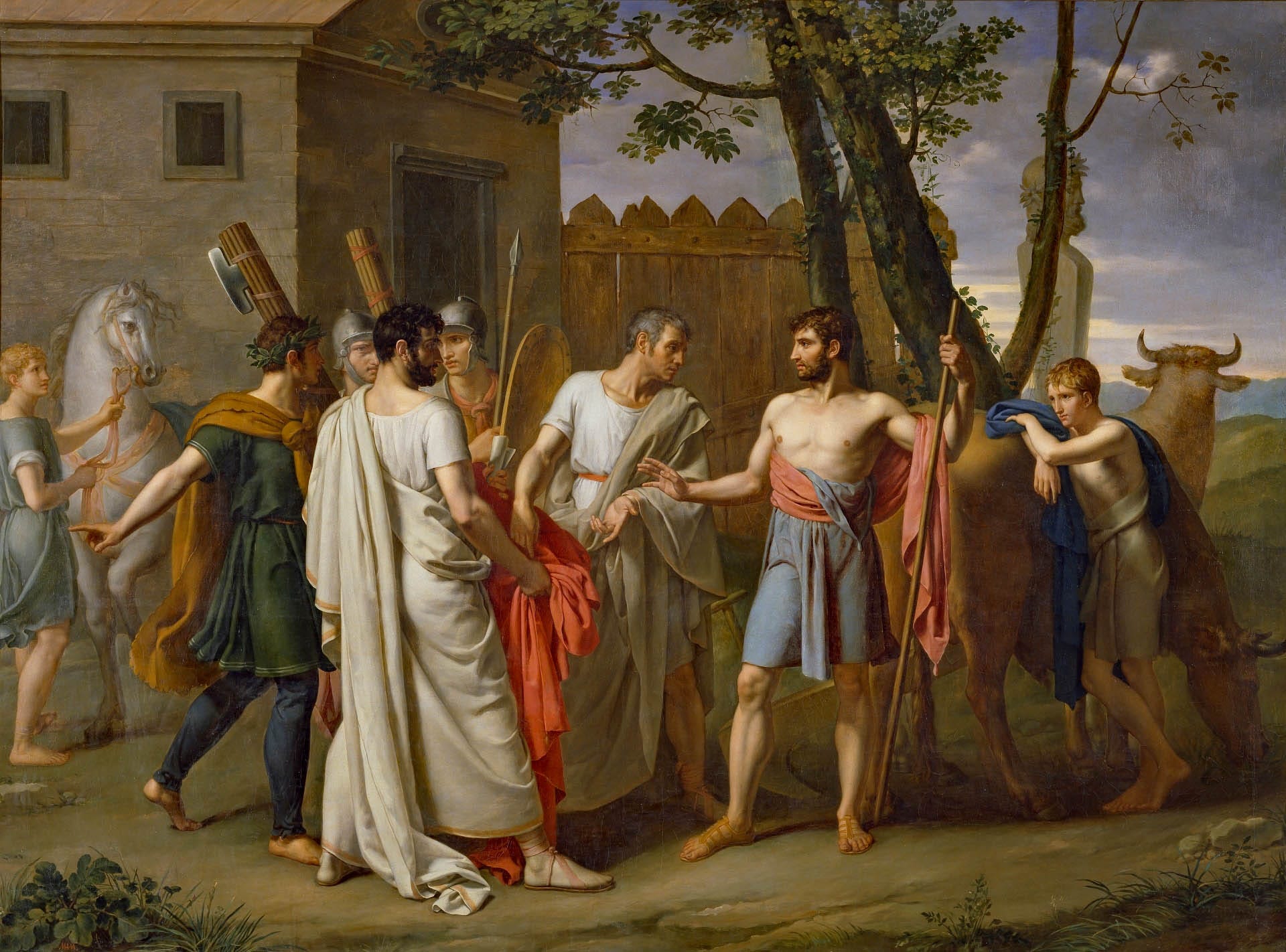
In the case of Rome, the episode Machiavelli focuses upon is the historian Livy’s account of the deadly sack of the city by the Gauls in 386 BC. Having strayed so far from the wise monarchy of Romulus, and the streamlined institutions he had founded, Roman governance was so preoccupied with the artificial laws of republican procedure that they neglected the actual soul of the city, and even basic common sense:
“There the military tribunes, without having previously selected a place for their camp, without having previously raised a rampart to which they might have a retreat, unmindful of their duty to the gods, to say nothing of that to man, without taking auspices or offering sacrifices, draw up their line, which was extended towards the flanks, lest they should be surrounded by the great numbers of the enemy”
Livy, Ab Urbe Condita, V.38
When the Republic could not even be bothered to ‘keep up appearances’, let alone share sincerely in the convictions of their own people, it invited disaster. Why should the people fight for their civilization if their leaders do not even believe in it?
As Machiavelli explains, the reckoning which followed, when the Gauls utterly vanquished the Roman armies and burned almost the entirety of the Eternal City, was an essential wake-up call:
“We have seen how it was necessary that Rome should be taken by the Gauls, that being thus in a manner reborn, she might recover life and vigor, and resume the observances of religion and justice which she had suffered to grow rusted by neglect”
Machiavelli, Discourses on the First Ten of Livy, III.1
In all but losing her capital city, Rome was given the luxury of a fresh start, and through her skin-of-the-teeth survival, a rare second chance:
“For no sooner was the city retaken, than all the ordinances of the old religion were at once restored; the Fabii, who had fought in violation of the law of nations, were punished; and the worth and excellence of Camillus so fully recognized, that the senate and the whole people, laying all jealousies aside, once more committed to him the entire charge of public affairs”
Machiavelli, Discourses on the First Ten of Livy, III.1
Staring annihilation in the face is a powerful incentive to understand what matters, and a clear sign that a hard reset is needed is when the creed of the ruling elite is visibly divorced from that of the people. Another is how said elite responds to wrongdoing…
Laws Must Be Seen to Live
It is generally accepted that the civilized man is separated from anarchy by laws.
“It is necessary then, as I have said already, that where men dwell together in a regulated society, they be often reminded of those ordinances in conformity with which they ought to live, either by something inherent in these, or else by some external accident. A reminder is given in the former of these two ways, either by the passing of some law whereby the members of the society are brought to an account; or else by some man of rare worth arising among them, whose virtuous life and example have the same effect as a law. In a Commonwealth, accordingly, this end is served either by the virtues of some one of its citizens, or by the operation of its institutions”
Machiavelli, Discourses on the First Ten of Livy, III.1
There is scarcely a civilization in history that has not, at some point in its course, boasted of the superiority of its own laws and the institutions which safeguard them. Such an attitude is almost always the prologue to arrogant complacency.
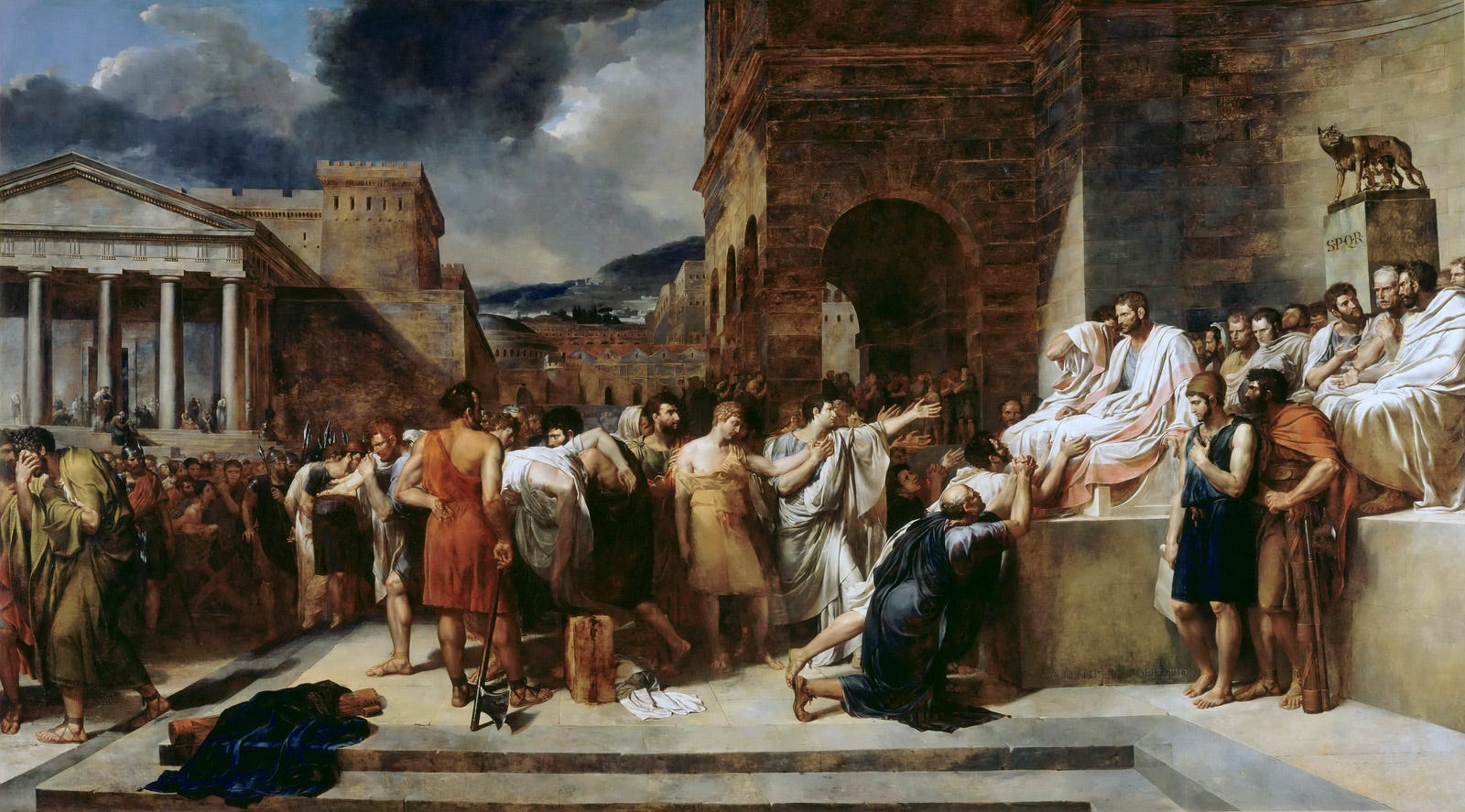
For Machiavelli, one of the most admirable traits of Ancient Rome before its decadence was its fearless enforcement of the law against even the most powerful in the state:
“Of the laws being thus reinforced in Rome, before its capture by the Gauls, we have notable examples in the deaths of the sons of Brutus, of the Decemvirs, and of Manlius Frumentarius; and after its capture, in the deaths of Manlius Capitolinus, and of the son of Manlius Torquatus in the prosecution of his master of the knights by Papirius Cursor, and in the impeachment of the Scipios. Such examples as these, being signal and extraordinary, had the effect, whenever they took place, of bringing men back to the true standard of right; but when they came to be of rarer occurrence, they left men more leisure to grow corrupted, and were attended by greater danger and disturbance”
Machiavelli, Discourses on the First Ten of Livy, III.1
The integrity of law rests on how reliably it is enforced. If the perception takes root that the law applies selectively, then that too is an alarm bell that either obliteration or a hard reset is coming.
Machiavelli, his judgment likely clouded by his personal enmity with the Medicean rulers of Florence, placed naïve hope in the power of periodic elections to serve as ‘softer resets’. Such phenomena however did not help republican Rome, which by its end was indeed defined by the dominance of private interests over the public good.
Institutions and laws alone are after all the result of virtue, not the cause. For as Machiavelli did at least acknowledge, civilizational ideals are meaningless without tangible heroes to embody and enforce them…
