
What Advice Did the Richest Man of the 19th Century Give to His Son?
A side of Rockefeller you have not seen


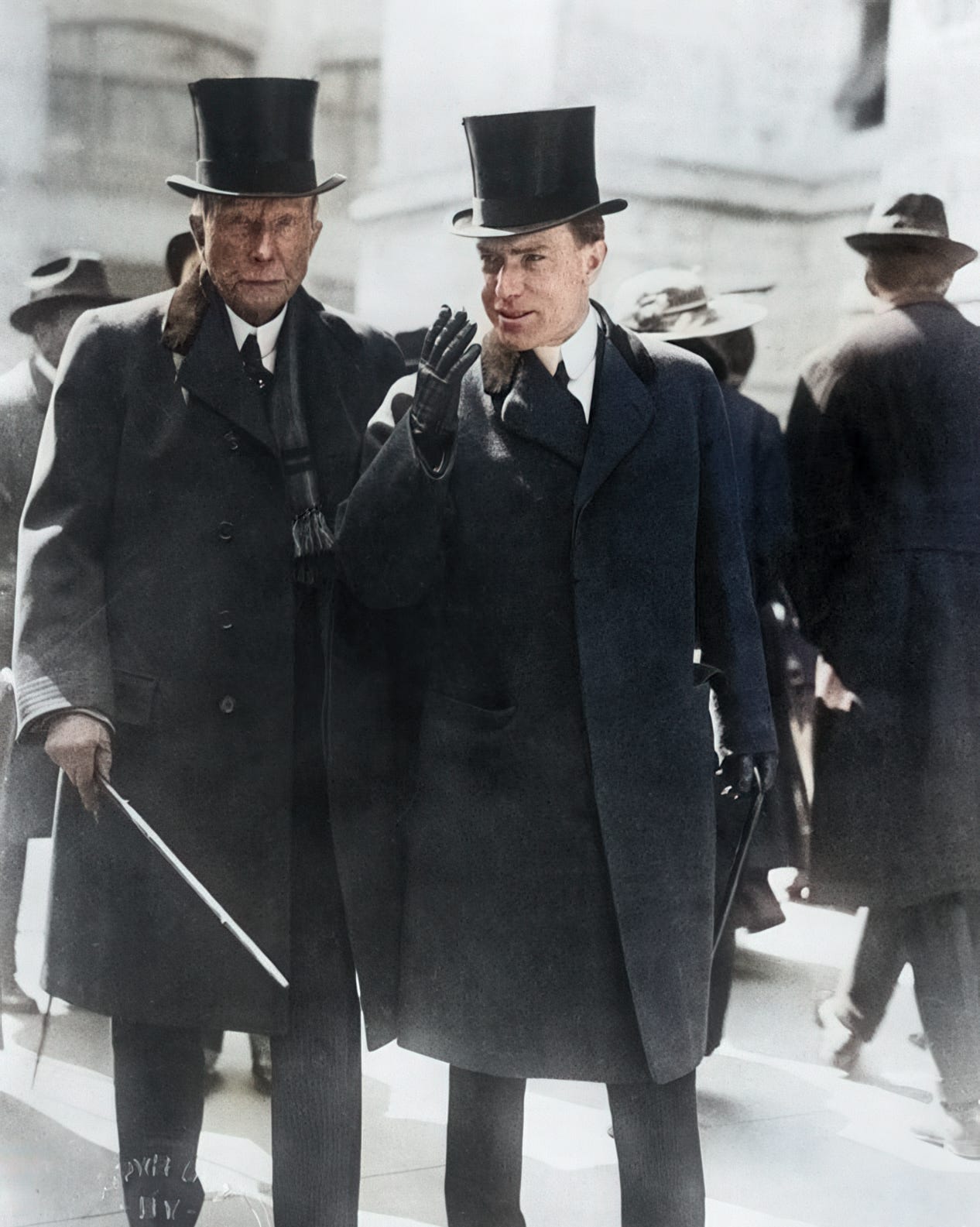
Few people in history have achieved what John D. Rockefeller achieved.
By the time of his death in 1937, he had amassed a fortune equivalent to roughly $400 billion in today’s dollars — making him, by most measures, the wealthiest American who ever lived (Elon is in the same camp at this point probably). He built Standard Oil into a monopoly that controlled 90% of U.S. oil refining, pioneered modern philanthropy (and yes, I know his legacy is controversial but stay with me), and shaped the very landscape of American capitalism.
What does the mind of someone like this look like?
Rockefeller wasn’t just a titan of industry. He was also a father — one deeply concerned with ensuring his son, John D. Rockefeller Jr., would not become yet another statistic in the long history of failed heirs.
In a remarkable collection of letters written to his son over several decades, Rockefeller laid bare the principles, philosophies, and hard-won wisdom that guided his extraordinary life. These letters, compiled in The 38 Letters from J.D. Rockefeller to His Son, offer an intimate glimpse into the mind of a man who built an empire from nothing — and who understood, perhaps better than anyone, that success is not an accident.
No Great Man ever became Great by happenstance.
Today, we explore five of the most useful lessons from these letters, and discover what they reveal about ascension and the true nature of a life well-lived...
1) Luck Is Not Random — It Is Designed
Most people think of luck as something that happens to them. Rockefeller thought of luck as something you create.
In his letters, he was emphatic on this point: “Everyone is a designer and architect of his own destiny. We must carefully plan our own luck.”
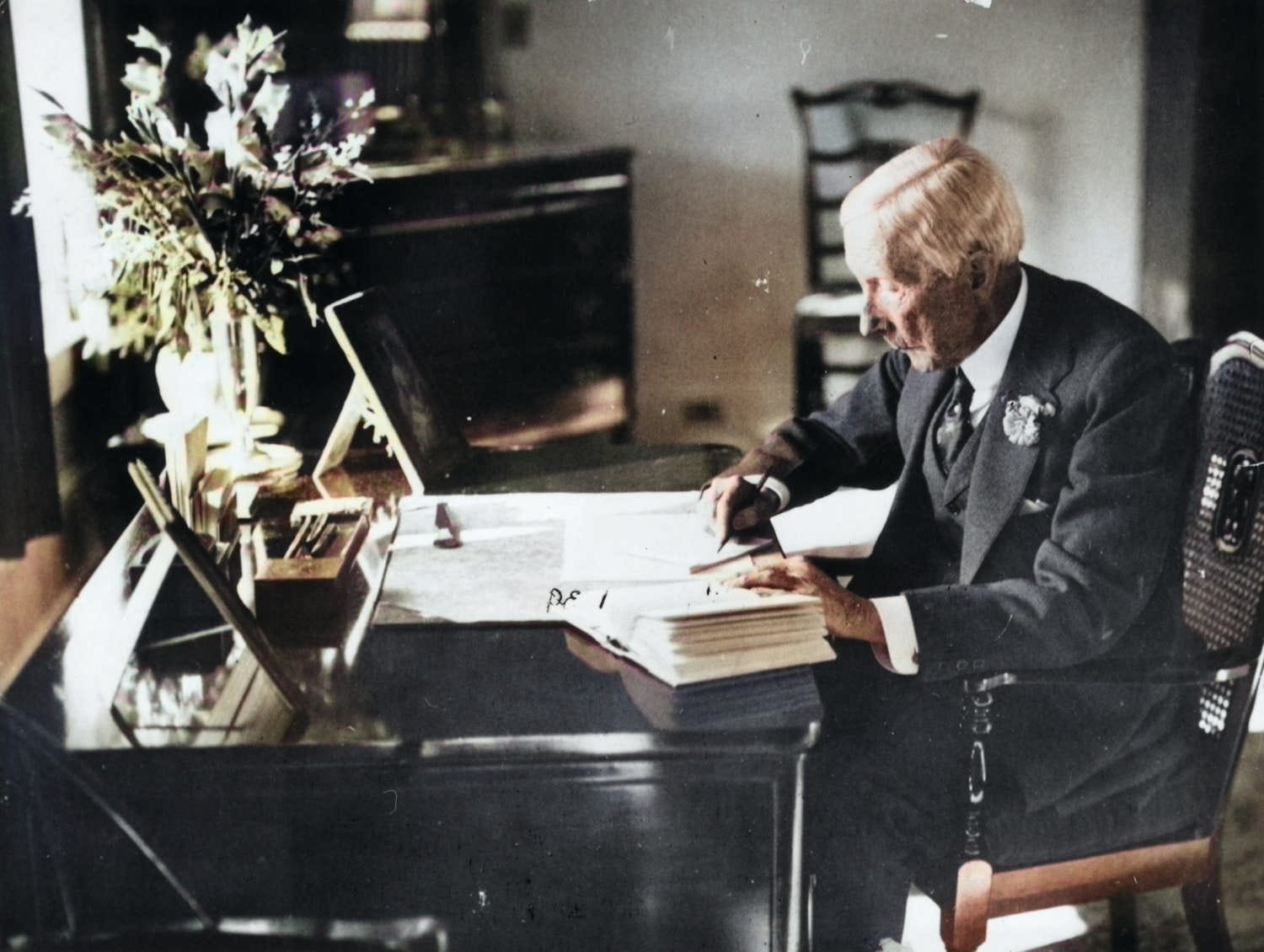
This was not wishful thinking either. Rockefeller laid out a concrete framework for manufacturing fortune. First, define your goals with absolute clarity — know precisely what kind of person you want to become and what you want to achieve. Second, take an honest inventory of your resources: your abilities, your relationships, your capital, your time. Third, align your ambitions with your assets, identify the gaps, and fill them through deliberate effort.
Then — and only then — position yourself to seize opportunities when they arise.
The difference between the lucky and the unlucky, Rockefeller believed, is not cosmic favor. It is preparation. The “lucky” are simply those who did the work beforehand, so that when opportunity knocked, they were ready to answer the door. They essentially expanded their luck surface area, allowing them to catch more of it.
Reminder: you can get tons of useful members-only content and support our mission for a few dollars per month 👇
Two full-length, new articles every single week
Access to the entire archive of useful knowledge that built the West
Get actionable principles from history to help navigate modernity
Support independent, educational content that reaches millions
2) Only by Enduring What Others Cannot, Can You Achieve What Others Cannot
Rockefeller had no patience for softness.
He had clawed his way up from poverty, survived economic panics, outmaneuvered ruthless competitors, and built an empire through decades of relentless effort (and his dad was terrible to him on top of everything). The oil titan knew what it cost. And he wanted his son to understand that the capacity to endure is the single greatest predictor of extraordinary achievement.
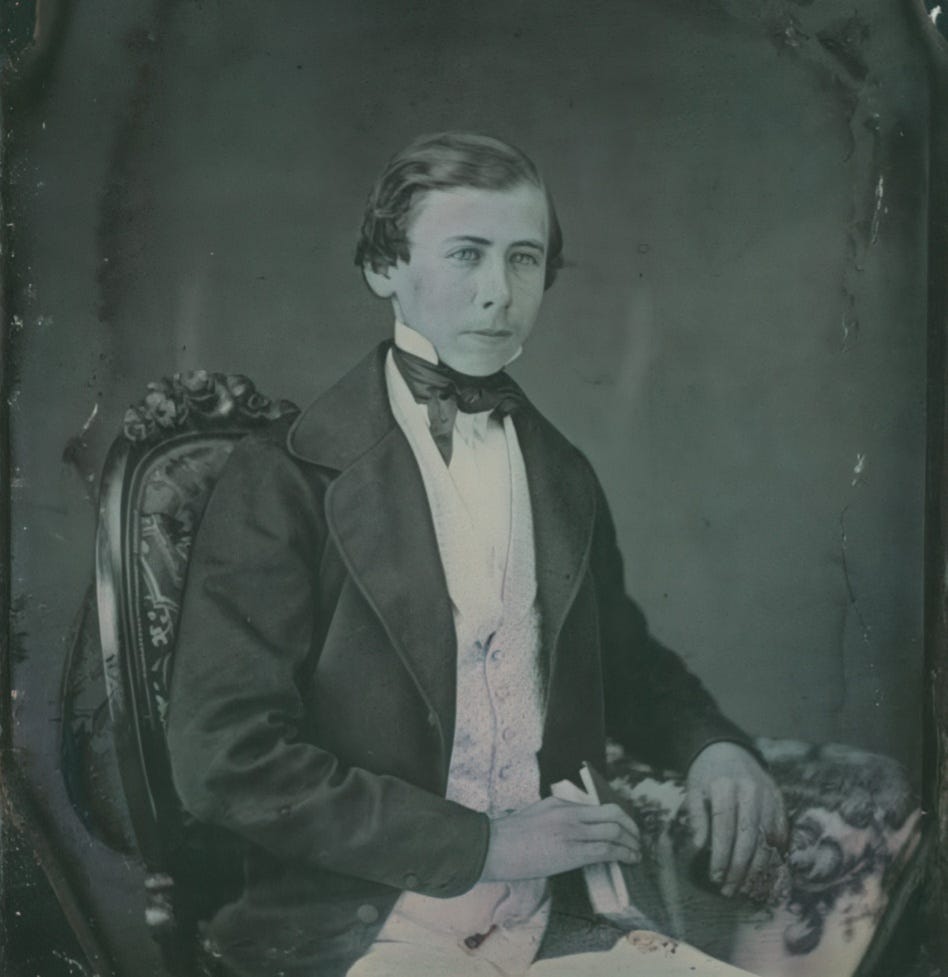
“Only by being able to endure what people cannot bear,” he wrote, “can you do what people cannot do.”
This is not motivational fluff. It is a statement of cause and effect. The reason most people fail to achieve remarkable things is not a lack of talent or opportunity — it is an unwillingness to suffer. They quit when the work becomes tedious. They retreat when the criticism becomes painful. They abandon ship when the storm gets rough.
Rockefeller saw hardship differently. He called failure “a glass of spirits — bitter

 | A guest post by
|