


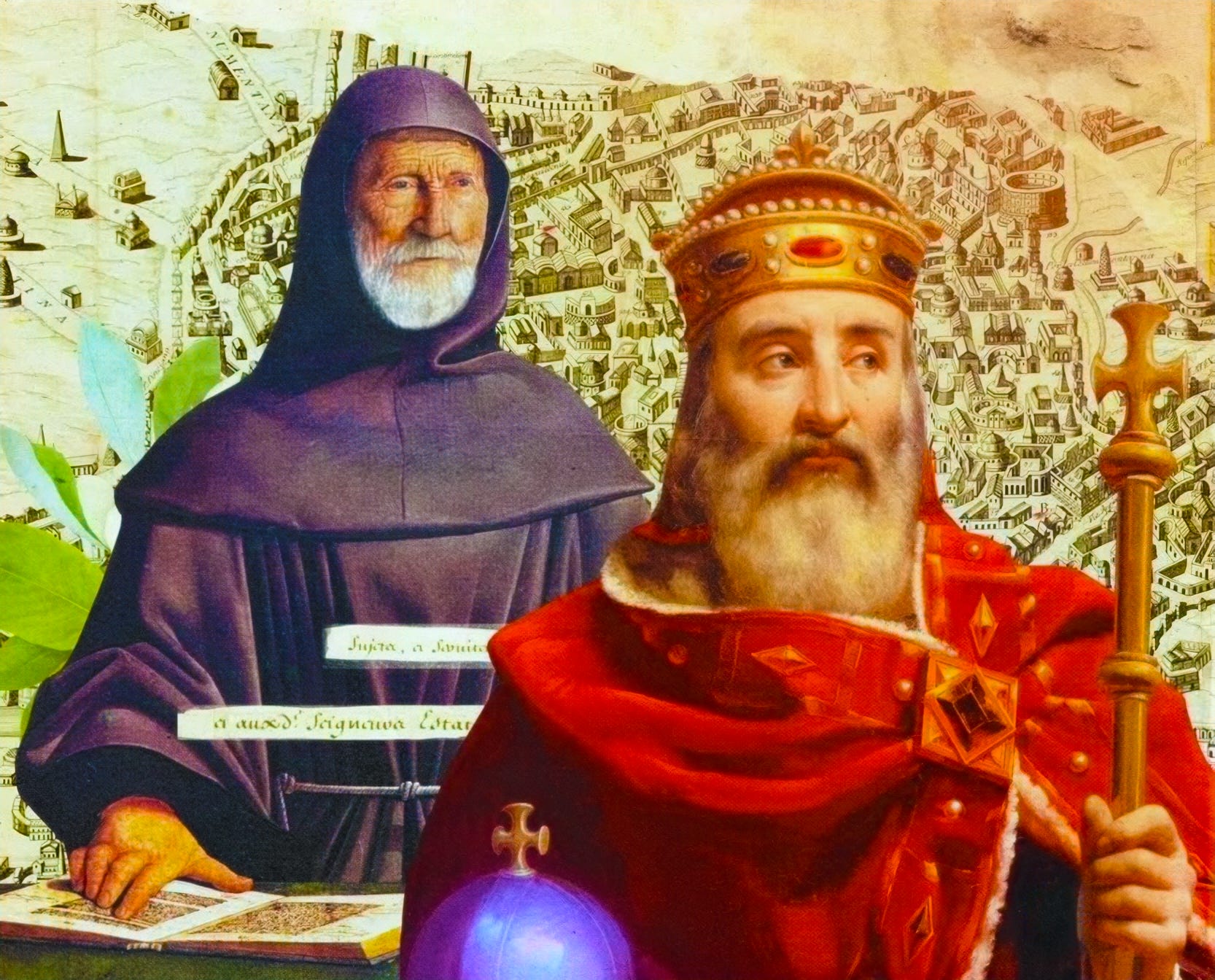
Institutional memory is the subtle architecture of civilizational continuity — the means by which a people transmit their values, their habits, and their hard‑won wisdom to those who follow them. When it is intact, a civilization knows who it is, what it has endured, and what it must guard, but when it is ruptured, a society loses the very anchor by which it understands its past and imagines its future.
The ancients understood this instinctively. Titus Livius, reflecting on the early Republic, urged his readers to “trace the process of our moral decline, to watch, first, the sinking of the foundations of morality as the old teaching was allowed to lapse, then the rapidly increasing disintegration, then the final collapse of the whole edifice, and the dark dawning of our modern day when we can neither endure our vices nor face the remedies needed to cure them.” For Livy, “the study of history is the best medicine for a sick mind,” because in its record of the “infinite variety of human experience” one finds both “examples and warnings; fine things to take as models, base things, rotten through and through, to avoid.” He was not indulging antiquarian curiosity but rather articulating a truth the Romans considered foundational: that memory — preserved in institutions, customs, and ranks — was the life‑force of a civilization destined for greatness.
Institutional memory is more than a recollection of facts or a catalogue of ancestral stories. It is a living inheritance, it is the transmission of a worldview from one generation to the next that shapes a people’s instincts, their sense of duty, and their intuition for what is worth preserving. It teaches not only what must be done, but how it must be done: with a particular wisdom the Romans called Mos Maiorum, or “way of the ancestors”.
However, the records of history have shown that when institutional memory fails to be transmitted from one generation to the next, it suffers a rupture — a mortal wound — in its very being because the force that once bound generations together begins to unravel. From the late Roman Republic to the shattered societies that emerged from the First World War, the pattern is the same: the past becomes foreign, the future uncertain, and the present descends into chaos.
Reminder: You can get tons of members-only content dedicated to useful knowledge, and support our Mission at the same time for a few dollars per month 👇
Two full-length, new articles every single week
Get actionable principles from history to help you navigate modernity
Access to the entire archive of useful knowledge that built the West
Support independent, educational content that reaches millions
The Roman Legion as a School of Memory
Nowhere was the importance of institutional memory more vividly displayed than in the Roman army of the Republic. The legions were not merely military formations; they were vessels of tradition and discipline whose very structure embodied a philosophy of generational transmission.
At the front lines of battle stood the hastati — young Roman men who were vigorous, eager for distinction, and yet still untested in the experience of warfare. Behind them waited the principes, men in their prime, steady and reliable, whose maturity tempered the impetuousness of youth in the ranks before them. Then, forming the final bulwark of the legion stood the triarii, veterans soldiers who had endured campaigns, disasters, triumphs, and the long schooling of war.
Titus Livius’ phrase res ad triarios rediit — “the matter came down to the triarii” — was more than a proverb for last resorts, it testified to the trust placed in those who carried the Roman army’s institutional memory. The triarii were not simply older soldiers or reserves but the living embodiment of Roman martial tradition, carrying the habits of discipline, the techniques of formation, the instinctive reading of terrain, and the moral seriousness that war demanded from the days of Romulus to the present. Their physical presence steadied the lines, their example shaped the younger men, and their recollections of past battles — what had worked, what had failed, what had nearly ruined them — were the lessons they transmitted through the daily rhythms of camp life.
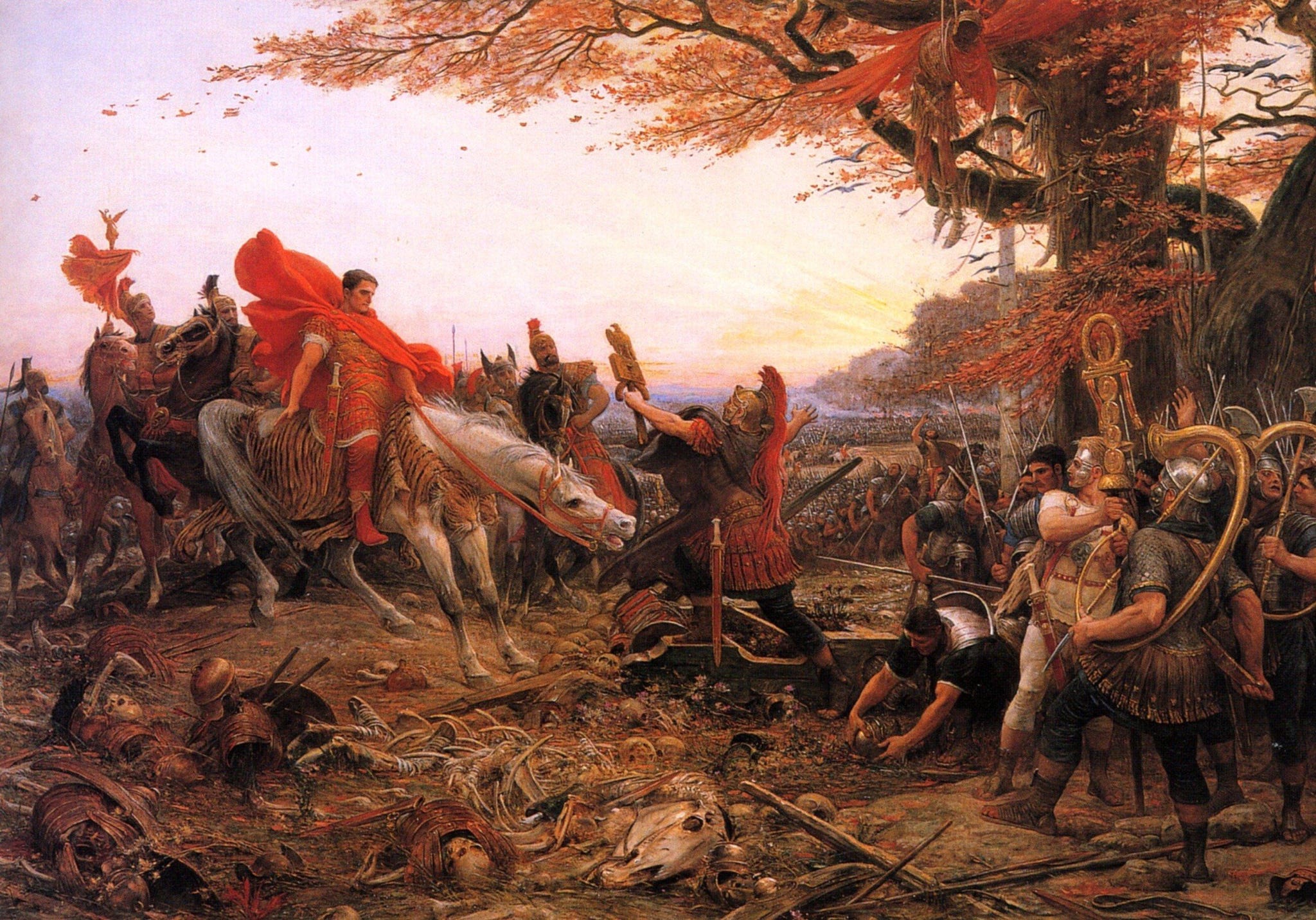
This continuity was reinforced by the army’s internal architecture. Centurions, chosen for character as much as for courage, served as custodians of practice and discipline, ensuring that the ethos of the legion survived the fortunes of war. Thus, even when Rome suffered catastrophic defeats — losing thousands of citizens in a single afternoon — the Republic could raise new legions trained in the same methods, animated by the same fervor, and shaped by the same institutional memory that had guided their predecessors.
In this way the Roman army reproduced itself across generations. The hastati of one era matured into the principes of the next, and eventually into the triarii who would guide those who followed. Thus, the institution endured because memory endured.
Institutional Memory as the Soul of Civilization
This pattern is not unique to Rome but is a universal feature of civilizations that aspire to greatness. In his Decline of the West, Oswald Spengler argued that every civilization possesses a “soul,” a formative, animating principle that shapes its institutions and gives coherence to its historical development. This soul is not an abstraction but a living inheritance carried by men and women who receive a tradition, embody it, and pass it on. When a civilization loses its memory, Spengler warned, it enters its winter phase, becoming a “world‑city” culture marked by rootlessness, cynicism, and spiritual exhaustion until it collapses under the burden of its own weight. “Every culture,” he wrote, “passes into civilization — its autumn — when it loses the living memory of its own beginning.”
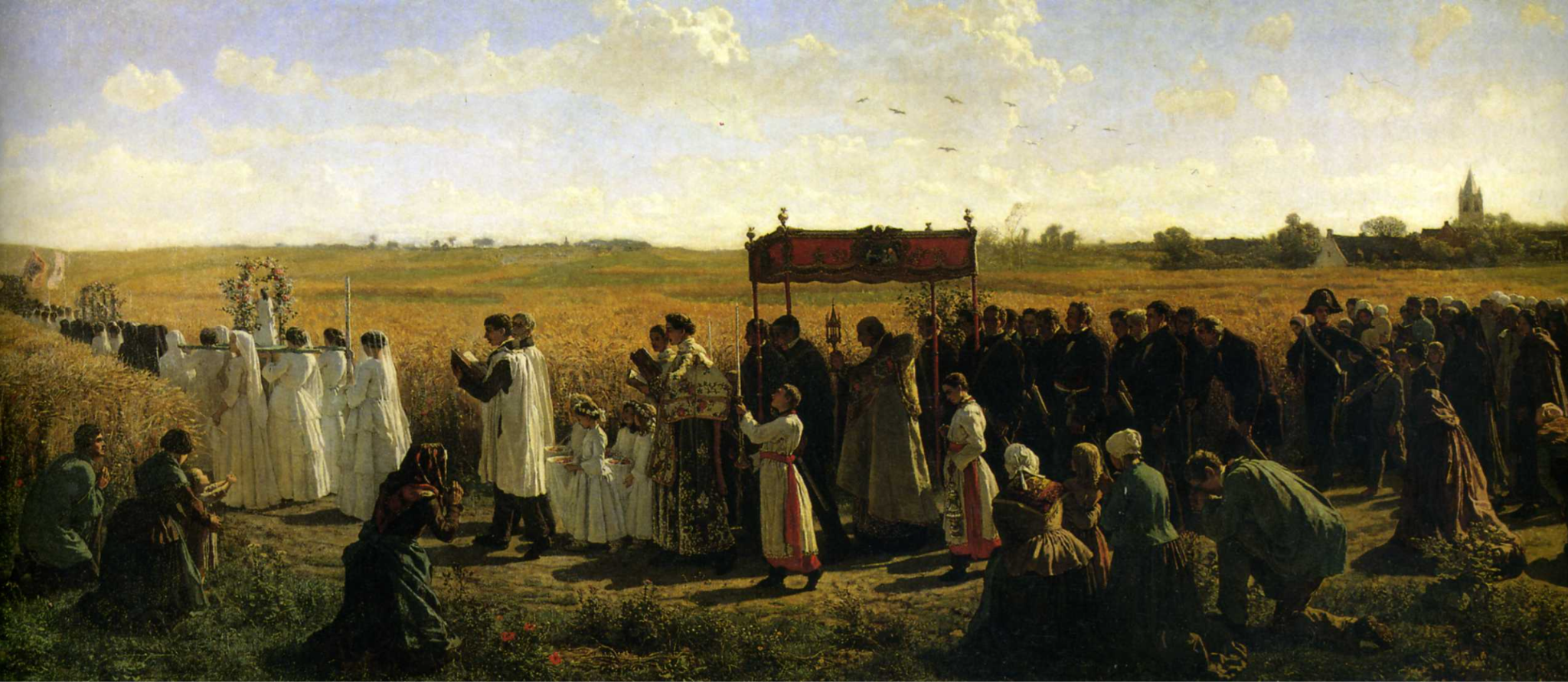
Christopher Dawson made a similar observation. For him, culture was inseparable from memory, and a society that loses its memory is like a man who has lost his soul — cut off from its past, blind to its future, and wandering through the world like a disembodied spirit. Western civilization, he argued, depended more than most on the deliberate cultivation of memory through liturgy, law, education, and the transmission of classical and Christian traditions. When these mechanisms falter or are neglected, a civilization becomes vulnerable. This danger is greater than any external army, since an enemy may destroy tens of thousands in a single battle or level entire cities in a single campaign, yet those who remain can rebuild, whereas a civilization that does maintain its institutional memory is conquered by its own complacency.
The Destruction of the Old World
The world before 1914 represented, in many respects, the high point of Western civilization. It was a world confident in its institutions, secure in its religious and cultural inheritance, and animated by a sense of historical mission, and the men who inhabited this world were the last representatives of what might be called the “old world,” raised in a civilization that still possessed its triarii. Educated in the classics, trained in the virtues of duty and restraint, and shaped by institutions that had accumulated centuries of memory, they carried within themselves the distilled experience of generations.
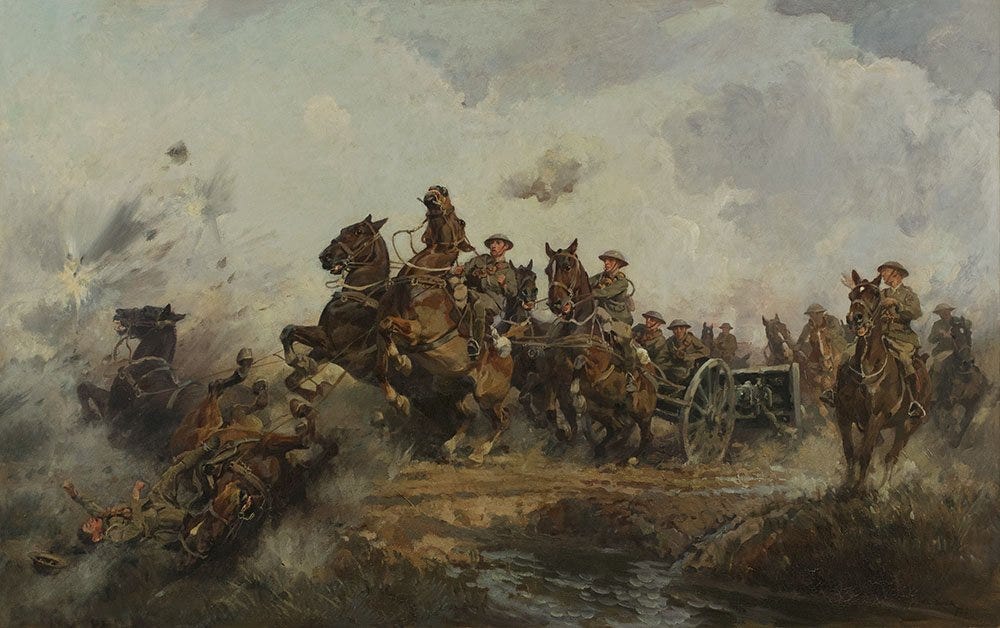
They were poets and engineers, ministers and farmers, fathers and husbands — men who marched blindly into the Great War in 1914 still carrying the romantic ideals of an older world. They were the heirs of a civilization that believed in the moral significance of history, a conviction reflected in the sombre letters they sent home from the front, filled with meditations on beauty, sacrifice, and the meaning of life. Yet the war that awaited them was unlike anything their institutional memory had prepared them for. The trenches, the machine guns, the gas attacks, and the mechanized slaughter broke not only their formations but the spiritual foundations of Western civilization.
In The Story of Civilization, Will Durant observed that the First World War effectively severed the thread of Western institutional memory. An entire generation of the West’s triarii — its educated, responsible, tradition‑bearing men — was annihilated, and those who survived returned home psychologically and spiritually broken, unable to transmit what they had received. The consequences were profound. The generation that followed grew up in the shadow of their trauma, inheriting institutions stripped of memory while being taught to despise the old order their forefathers had built, convinced it had betrayed them and delivered nothing but death and ruin.
The Rise of the Revolutionary Generations
Spengler noted that after such civilizational catastrophes, the younger generation grows up with a deepening indifference — even hostility — toward the past, since “the younger generation no longer feels itself bound to the fathers.” Deprived of their triarii, the generation that followed those who fought in the Great War became vulnerable to revolutionary visions that promised a new order freed from the weight of inherited forms. In the cultural vacuum that followed, new ideologies swept across the West — communism, fascism, sexual liberation, feminism, and radical individualism — all these designed to replace the old order so that man could remake civilization in his image and likeness. The loss of institutional memory also produced a crisis of masculinity since the virtues that had once defined Western man — honor, duty, and self‑sacrifice — became associated with the world that had sent millions to their deaths, leaving the sons of the fallen to seek meaning in movements that rejected tradition altogether. They became, in Dawson’s sense, civilizational orphans.
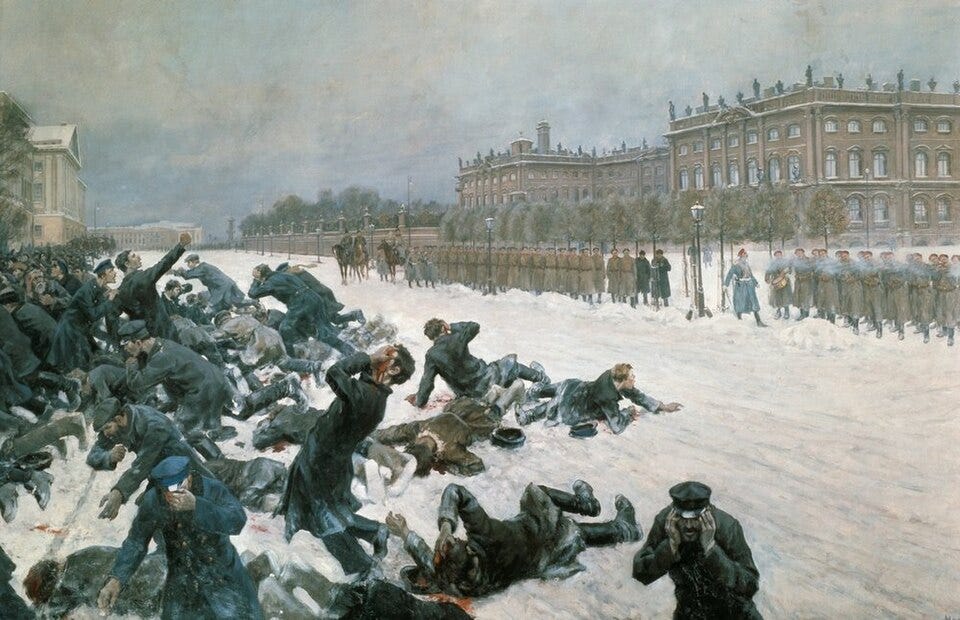
The West has never fully recovered from this rupture. The institutions that once transmitted our civilizational memory — families, churches, universities, guilds, regiments — are shadows of their former selves. The result is a civilization that often behaves like the hastati without the triarii: energetic, ambitious, technologically powerful, yet lacking the depth of experience that gives direction to action. We rush forward without knowing why; we innovate without understanding what we are preserving and we critique the past without comprehending it.
Recovering the Memory We Have Lost
An entire generation of Western men who embodied thousands of years of institutional memory fell on the fields of the Western Front, and in their place emerged the modern man — restless, unmoored, and forgetful of the inheritance that once shaped him. Because this rupture severed the thread that once bound generations together, the West cannot recover its bearings until it recovers its memory. This is not an appeal to nostalgia but a recognition of a civilizational truth: no people can endure without continuity. To restore that continuity, we must once again turn toward our ancestors with study and reflection in order to recover the traditions that formed their character and sustained the civilization they inherited. The classics must be read and the great men of history studied not as relics but as living voices, and the institutions that once carried their wisdom must be raised again to their rightful dignity.
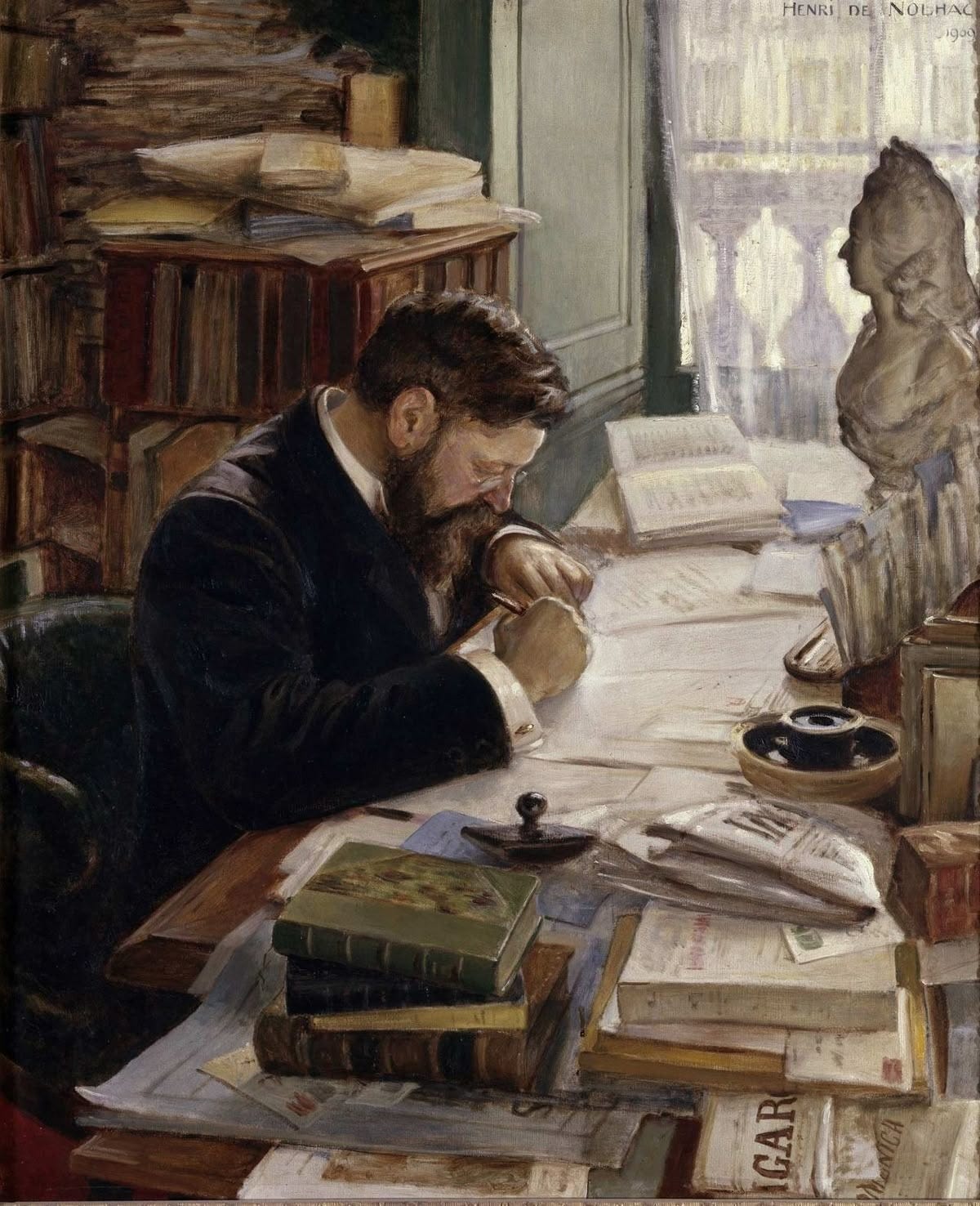
We must become, in a sense, the triarii of our own age — those who bear the weight of the past and hand it on to those who will inherit the future. Should we fail, we will remain captive to the tyranny of the present, drifting aimlessly through the ruins of a world we no longer recognize and dismantling traditions we never truly understood, but if we succeed, we may once more kindle the ancient flame and set it ablaze for those who will follow.
Mos maiorum non est adoratio cinerum, sed ignis custodia—Tradition is not the worship of ashes, but the preservation of fire.
Join the fight for the Soul of our Civilization!
By subscribing to Atlas Press, you are supporting an honest group of guys who are working to help revitalize Western Civ through the re-enrichment of the Western mind. We appreciate your support greatly and hope you join us.
I was always under the notion that we study history to learn from the mistakes of the past. Only now do I realize that we should be studying history and past culture to shape and mold our future.