
The Three Readings of History
Great Man Theory, Elite History, and Historical Determinism


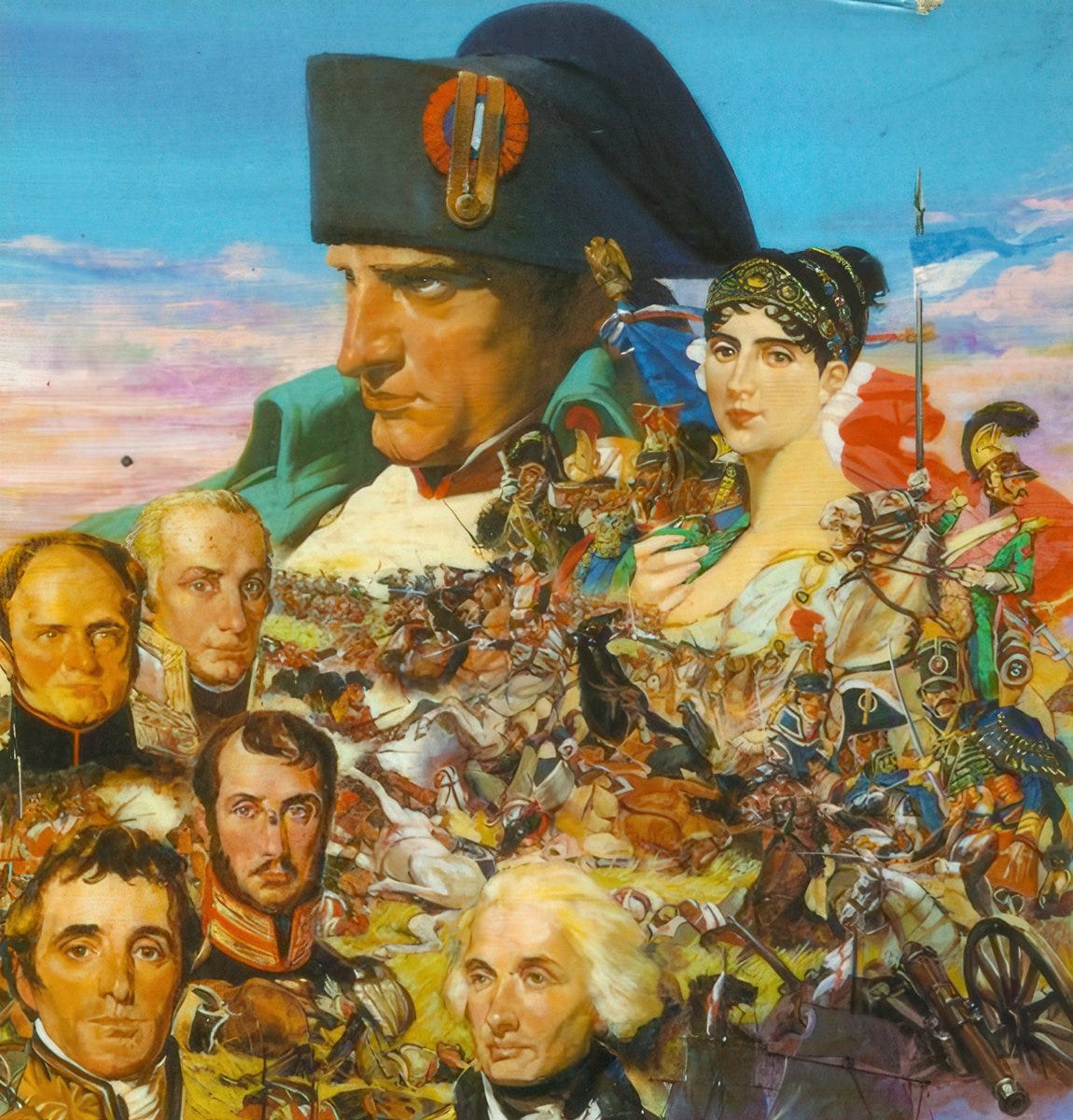
History has always invited competing interpretations, each attempting to grasp the underlying figures and forces that shape the rise and fall of civilizations.
In his Republic, Plato observed that “the beginning is the most important part of the work.” This principle can be rightfully applied to a study of history where the framing of historical inquiry determines its conclusions. Plutarch later sharpened this insight in his Life of Alexander by shifting attention from grand events to the moral feats of exceptional figures. “We are not writing histories but lives,” he insists, noting that the most spectacular deeds do not always reveal the deepest truths of character.
These ancient distinctions signal an early awareness that the individual, the elite, and the structural all contend for explanatory primacy.
Modern historians have extended this tension rather than resolved it. Will Durant, emphasising the biological substrate of human affairs, described history as “a fragment of biology,” while Oswald Spengler, taking a more deterministic view, argued that cultures unfold according to “strict necessity,” like organisms bound to destiny. Each, in his own way, inherits the ancient struggle to decide where historical explanation truly begins.
Across these traditions, three dominant readings emerge: the Great Man Theory, which sees history as the work of singular figures; Elite History, which attributes change to aristocratic minorities; and Historical Determinism, which views events as the inevitable outcome of impersonal forces.
Each offers insight, yet each alone is insufficient. Civilizations are too complex to be reduced to a single mechanism. Still, by examining these three readings, we gain a clearer sense of how human agency, social hierarchy, and structural destiny intertwine in the long arc of historical development.
Reminder: You can get tons of members-only content dedicated to useful knowledge, and support our Mission at the same time for a few dollars per month 👇
Two full-length, new articles every single week
Get actionable principles from history to help you navigate modernity
Access to the entire archive of useful knowledge that built the West
Support independent, educational content that reaches millions
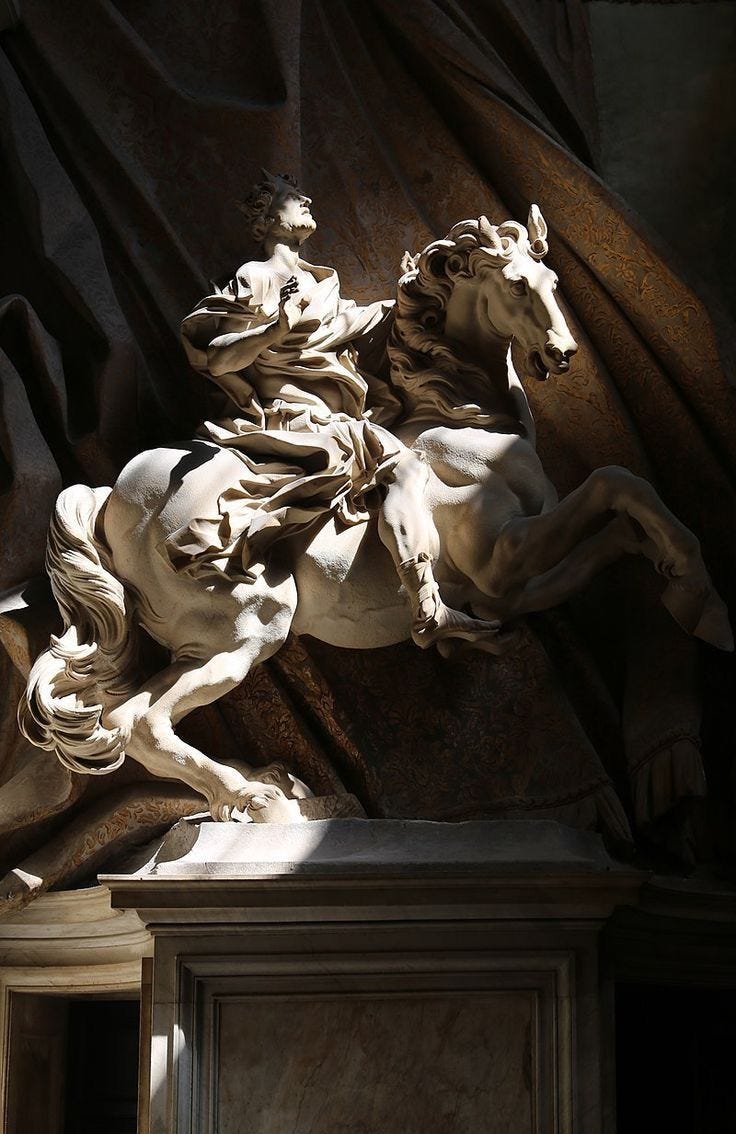
Monarchy and the Great Man Theory
The Great Man Theory rests on the conviction that history is shaped by exceptional individuals whose will, intellect, or charisma bends events toward new trajectories. Its lineage stretches from Herodotus’ portraits of kings in his Histories to Plutarch’s Parallel Lives, where the character of a single man becomes the fulcrum of an age.
In this reading, monarchy becomes the political analogue of historical agency. The king, emperor, or founder embodies the unity of the state, and his decisions carry disproportionate weight. Alexander’s conquests, Caesar’s crossing of the Rubicon, and Constantine’s conversion each illustrate how one individual can redirect the flow of centuries.
Will Durant, reflecting on such figures, wrote in his Story of Civilization that “the hero is the culmination of a thousand causes,” yet he insisted that the hero remains indispensable, because without him “the causes would have remained ineffective.” The Great Man is thus both product and producer, shaped by his age yet capable of transcending it.
Spengler, though more deterministic, acknowledged the potency of singular leaders within the life-cycle of cultures. He recognized in Alexander, Caesar, and Napoleon, a symbol of a world collapsing into the hands of one man, suggesting that in moments of civilizational crisis, the individual becomes the vessel through which destiny expresses itself. Here monarchy functions as the embodiment of destiny itself, concentrating the movement of a culture into the decisions of a single leader who becomes the pivot of history.
Critics argue that this view exaggerates the role of individuals and neglects broader historical forces. Yet the undeniable reality remains that certain men altered their worlds in ways no committee or collective movement could replicate. Their presence accelerated processes that might otherwise have unfolded slowly or not at all.
Thus, the Great Man Theory reminds us that history is not only a chronicle of structures but also of decisions, ambitions, and the unpredictable spark of individual human genius, and the ability of one man to impose their will upon the world.
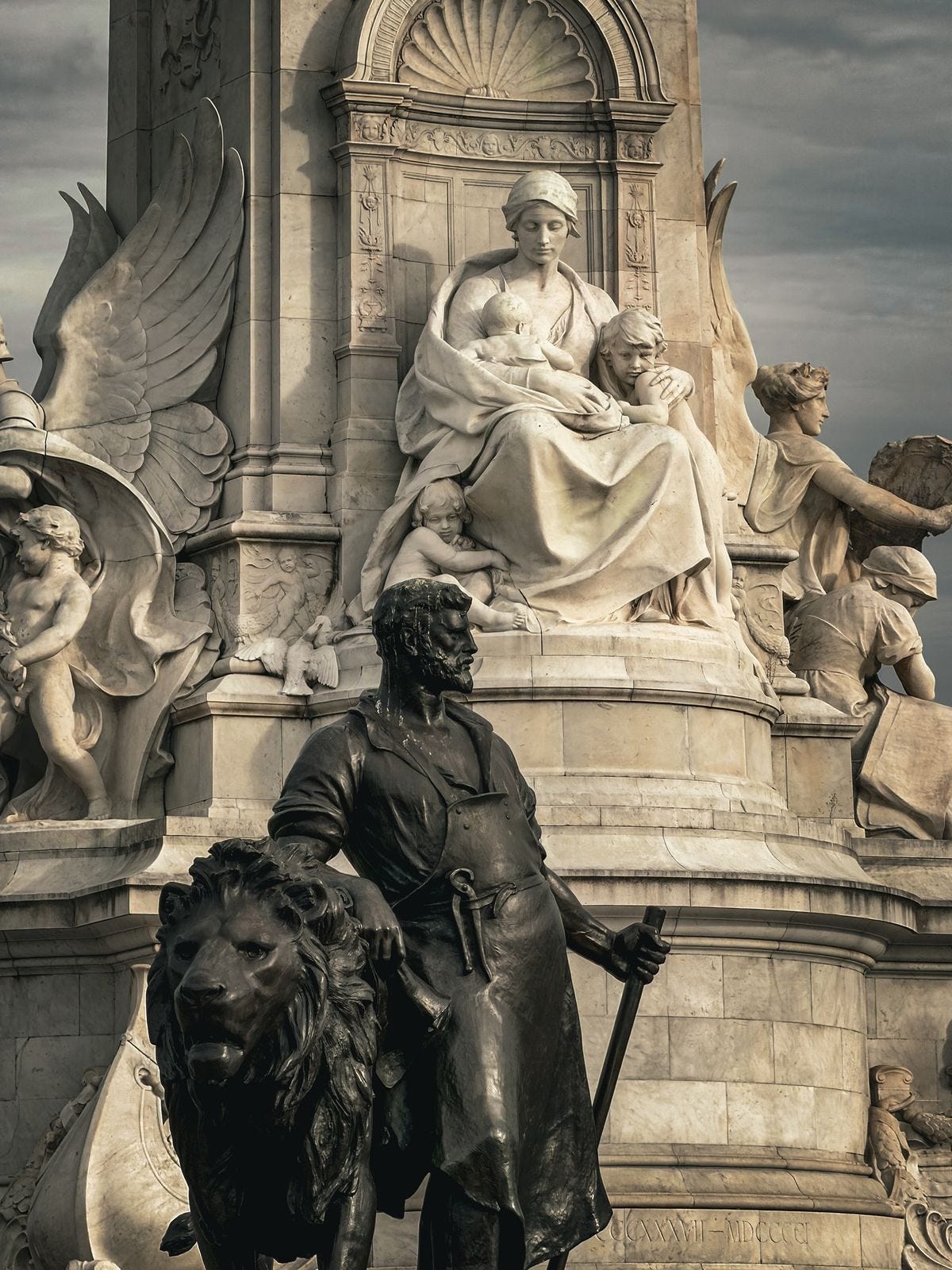
Aristocracy and Elite History
If the Great Man Theory elevates the singular figure, Elite History shifts attention to the aristocratic minority that governs, administers, and directs the machinery of civilization.
In his Politics, Aristotle argued that “the best form of government is that which is administered by the best men,” capturing the ancient conviction that a small, cultivated class inevitably shapes the destiny of the many. This reading of history sees change not as the work of single heroic figures but as the cumulative action of ruling elites — senates, councils, priesthoods, merchant dynasties, and intellectual circles.
Plato’s vision of the philosopher‑kings in the Republic reflects this aristocratic ideal. He argued that only those trained in virtue and reason should guide the polis, for “the heaviest penalty for declining to rule is to be ruled by someone inferior.” In historical practice, elites have often fulfilled this role, whether in the Roman Senate, the Venetian patriciate, or the Oxbridge‑trained administrators who dominated the British civil service in the eighteenth and nineteenth centuries. Their decisions, alliances, and rivalries constitute the hidden hand behind major turning points in history, exerting influence that rarely appears in the official record.
Will Durant emphasized this dynamic when he wrote that “history is the biography of the community,” arguing that elites shape the moral and institutional contours of the societies they lead. Their character becomes, in time, the character of the civilization itself. Spengler, more severe in tone, argued in his The Decline of the West that every high culture develops a dominant minority whose style, values, and will‑to‑power define its epoch. For him, aristocracy is not just a political arrangement but a cultural necessity since “every culture has its own soul, and the aristocracy is its first and last expression.”
Elite History highlights the continuity of institutions and the slow, deliberate shaping of societies by those who possess education, wealth, and influence. It explains why revolutions often replace one elite with another, why bureaucracies outlast kings, and why cultural norms persist long after charismatic leaders vanish. Yet it also reveals the fragility of civilizations when their elites decay, lose confidence, or become detached from the people they govern.
Aristocracy, in this reading, is both stabilizing and perilous, capable of guiding a civilization to greatness or presiding over its decline.
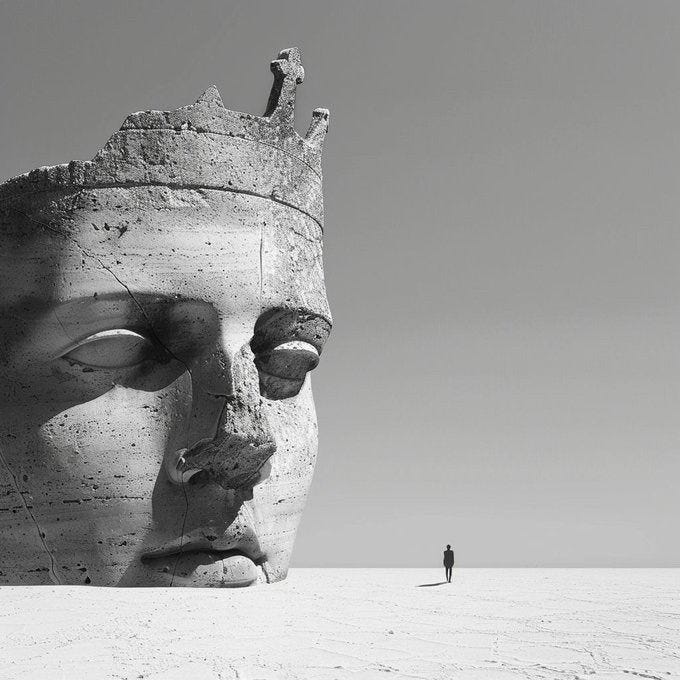
Democracy and Historical Determinism
The third reading, Historical Determinism, views history as the unfolding of impersonal forces — economic pressures, demographic shifts, technological innovations, and cultural cycles.
In this interpretation, individuals and elites are swept along by currents far larger than themselves. This deterministic view aligns with the democratic sensibilities of the modern age, for it privileges the collective forces of society over the exceptional individual.
The masses, through their aggregated choices and pressures, become the true authors of historical change. From a deterministic perspective, political upheavals arise not from the actions of a single agitator — or even a coordinated revolutionary elite — but from material conditions that accumulate until they produce open conflict.
Industrialization alters economic structures and social relations, while migration patterns, climatic shifts, and technological innovations effectively reshape civilizations through pressures that far exceed the reach or influence of any single leader or elite.
Durant acknowledged this historical approach when he wrote that “civilization is a stream with banks,” suggesting that while individuals may stir the surface, the deep currents that become human history are shaped by geography, biology, and economics. Determinism thus offers a sobering reminder that history is not infinitely malleable since it imposes constraints, patterns, and necessities that no individual ruler or powerful elite can fully overcome.
Yet determinism can become overly rigid, reducing human beings to passive instruments of fate. While it explains long-term trends — whether it be the rise of cities, the spread of technologies, the cycles of empire — it struggles to account for sudden ruptures or the unpredictable emergence of transformative figures. Still, it remains indispensable for understanding the structural forces that underlie historical change, reminding us that civilizations are shaped not only by decisions but by conditions.
Spengler, too, underscored this structural dimension, insisting that cultures move through predetermined seasons of growth, maturity, and decline. For him, even the greatest leaders are “signs, not causes,” embodiments of forces already ripening within the cultural organism. Durant echoed this sentiment in a more moderate key, noting that “the laws of history are the laws of biology,” and that no society can escape the limits imposed by its material base.
Together, these perspectives reinforce the deterministic insight that history possesses a momentum of its own — a momentum that individuals may momentarily redirect but never fully command.
The Synthesis of Historical Readings
Each of the three readings—Great Man, Elite, and Determinist—captures a dimension of historical reality. The Great Man Theory reveals the potency of individual agency, Elite History uncovers the enduring influence of ruling minorities, and Historical Determinism exposes the structural forces that shape civilizations across centuries. However, none of these readings is sufficient alone since history is not a single-threaded narrative but a complex thread woven from personality, hierarchy, and necessity.
A balanced historiography recognizes that individuals act within structures, elites guide and restrain those individuals, and deeper forces set the boundaries within which both operate. Spengler’s cultural cycles, Durant’s biological metaphors, and the classical emphasis on virtue and leadership all converge on this point: history is a dialogue between freedom and fate, and civilizations rise when these elements align and collapse when they fall into disarray.
Understanding this balance allows us to appreciate the complexity of the past without surrendering to fatalism or hero-worship.
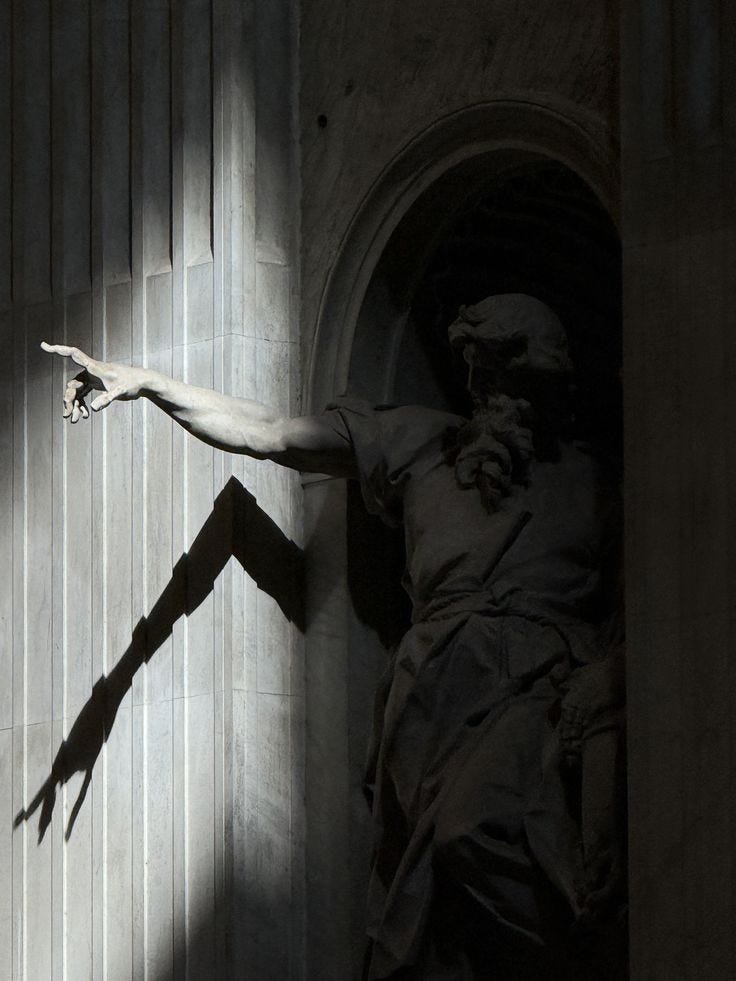
Yet even within this balanced view, one truth remains evident across the ages: we must never forget the power that one man has to radically alter the course of human history. For this reason, we make statues to men — not committees or forces.
Join the fight for the Soul of our Civilization!
By subscribing to Atlas Press, you are supporting an honest group of guys who are working to help revitalize Western Civ through the re-enrichment of the Western mind. We appreciate your support greatly and hope you join us.