
The Most Undervalued Virtue
How Constancy saves Men and Nations...


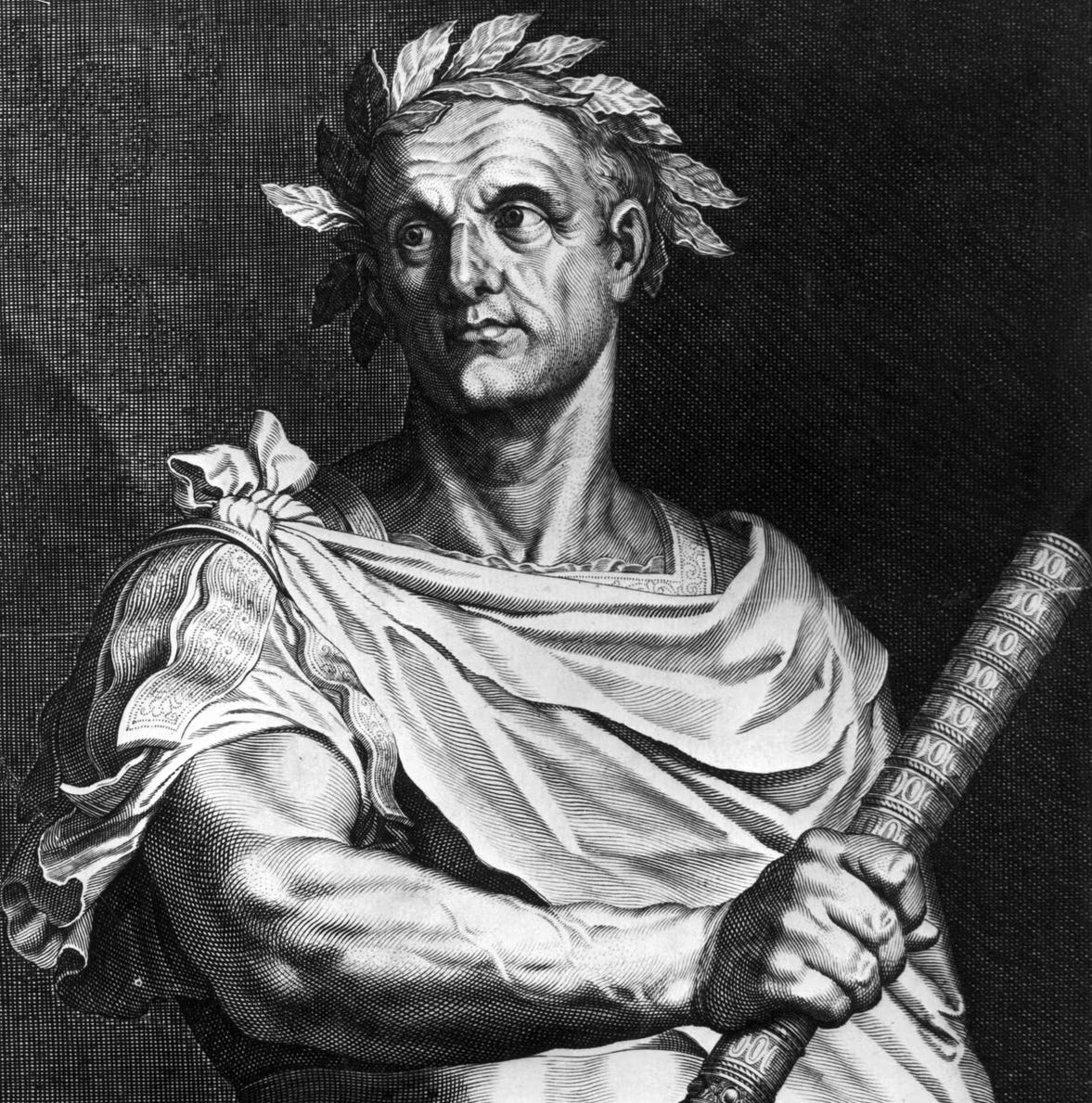
When speaking of virtues, we generally cite such things as patience, justice, temperance or humility. It would be unusual however if somebody remembered constancy.
So what is ‘Constancy’? In short, reliability. In a bit more depth, a constant man is a reliable man because he does not waver in the face of temptation or adversity. A constant man is resistant to systemic shocks, and adheres to certain convictions through good times and bad.
Constancy is indeed itself a constant, having been prized as a virtue throughout history by both our pagan and Christian ancestors. One man who noticed this, and understood how important constancy was to states and individuals alike, was the Florentine statesman Niccolò Machiavelli. During his Discourses on the First Ten of Livy, he indeed wrote a short essay on the subject, “That strong Republics and valiant Men preserve through every change the same Spirit and Bearing”.
In that essay, Machiavelli compared two case studies, Ancient Rome and Renaissance Venice, to analyse how constancy brought glory to one and near destruction to the other, and what we can learn as a result.
So, here is why constancy is a severely underrated virtue, why you need to cultivate it, and how to do so?
Reminder: You can get tons of members-only content dedicated to useful knowledge, and support our Mission of revitalizing the Western Mind at the same time for a few dollars per month 👇
Two full-length, new articles every single week
Get actionable principles from history to help you navigate modernity
Access to the entire archive of useful knowledge that built the West
Support independent, educational content that reaches millions
The ‘Constant’ Man
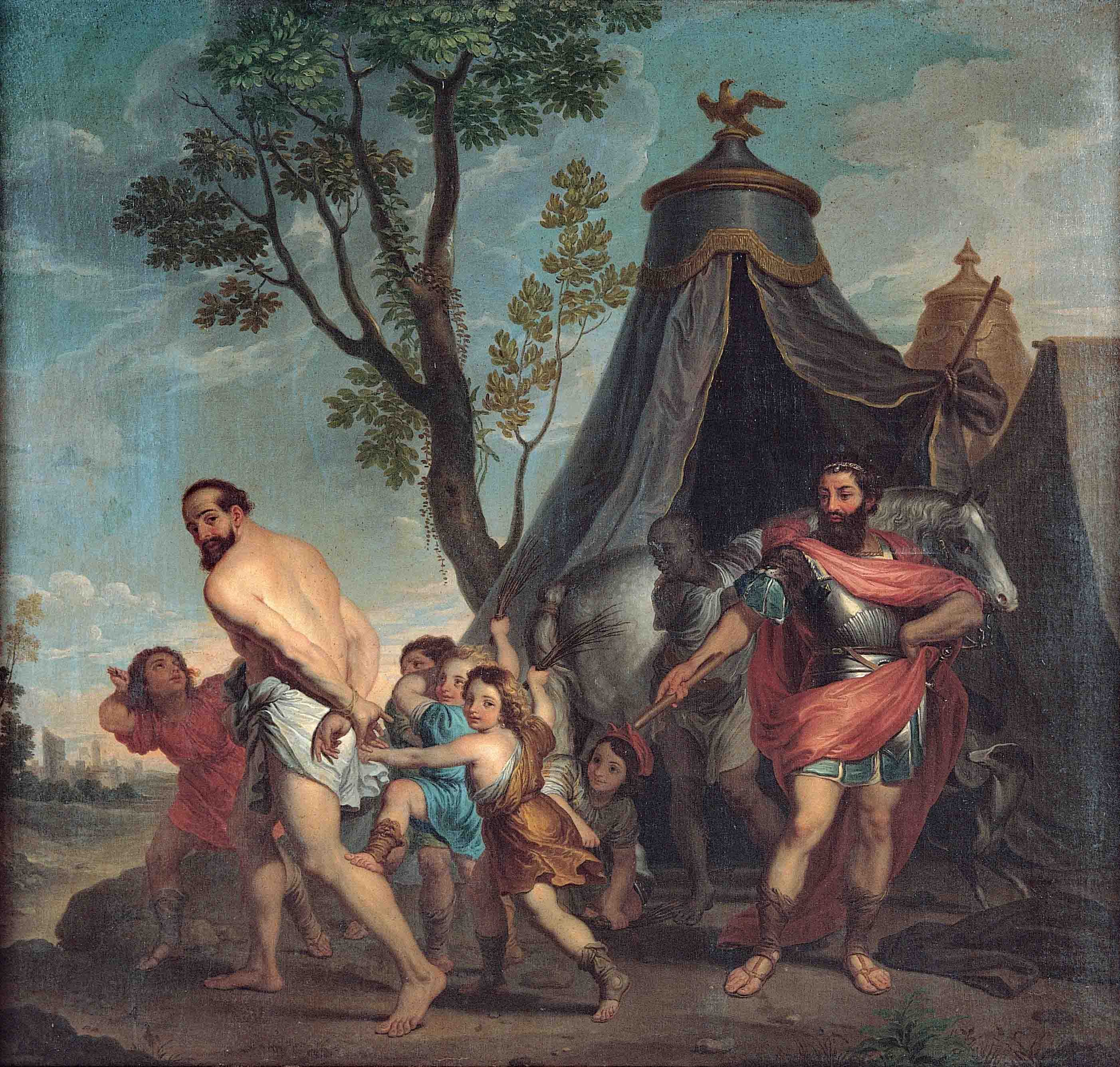
“CONSTANCY, noun - Fixedness; a standing firm; hence, applied to God or his works, immutability; unalterable continuance; a permanent state.”
Webster’s Dictionary, 1828
As the above entry from the 1828 edition of Webster’s Dictionary reiterates, constancy has long held deep religious connotations. The reasons for this are clear. A man who anchors himself to a higher purpose and faith is far more likely to see himself as part of something bigger, and is therefore more likely to weather hardship for longer.
The constancy of God himself, and the encouragement this brings, is indeed central to Christianity:
“For I am the LORD, I do not change;
Therefore you are not consumed, O sons of Jacob”Malachi 3:6
One can fight a battle far more readily if we believe in the cause, and it is that belief which propels us through the war. It is this truth which Machiavelli highlights in the opening of his essay, where he praises the Roman statesmen Marcus Furius Camillus:
“Among other high sayings which our historian ascribes to Camillus, as showing of what stuff a truly great man should be made, he puts in his mouth the words, “My courage came not with my dictatorship nor went with my exile;” for by these words we are taught that a great man is constantly the same through all vicissitudes of Fortune; so that although she change, now exalting, now depressing, he remains unchanged, and retains always a mind so unmoved, and in such complete accordance with his nature as declares to all that over him Fortune has no dominion”
Machiavelli, Discourses on the First Ten of Livy, III.31
Camillus quite simply saved Rome. In the wake of the devastating sack of the city in 386 BC, it was he who sought out and vanquished the Gauls who had all but conquered Rome, and persuaded the dejected Roman people not to abandon their burning homeland, but to stay and rebuild. The crux of his heroism in the annals of Roman history is that he recognized that Rome was about more than bricks and marble. It was an idea, and a civilization that was dawning, and one worth nurturing. He likewise understood that it would take time to nurture, and that the road would not always be smooth.
With Rome a smouldering ruin, Camillus embodied Roman virtue by not giving up, even when all others around him had. His constancy ensured the Sack of Rome was a temporary pain and not a permanent end. The Constant Man, therefore, is impregnable to Fortune. He is immune to shifts in Fortune because he recognizes that such shifts are temporary, and he is anchored to things which will outlive them.
As Machiavelli relates, however, what was once a largely personal virtue of one man would through his example become an integral virtue of Rome herself…
The Model of Rome
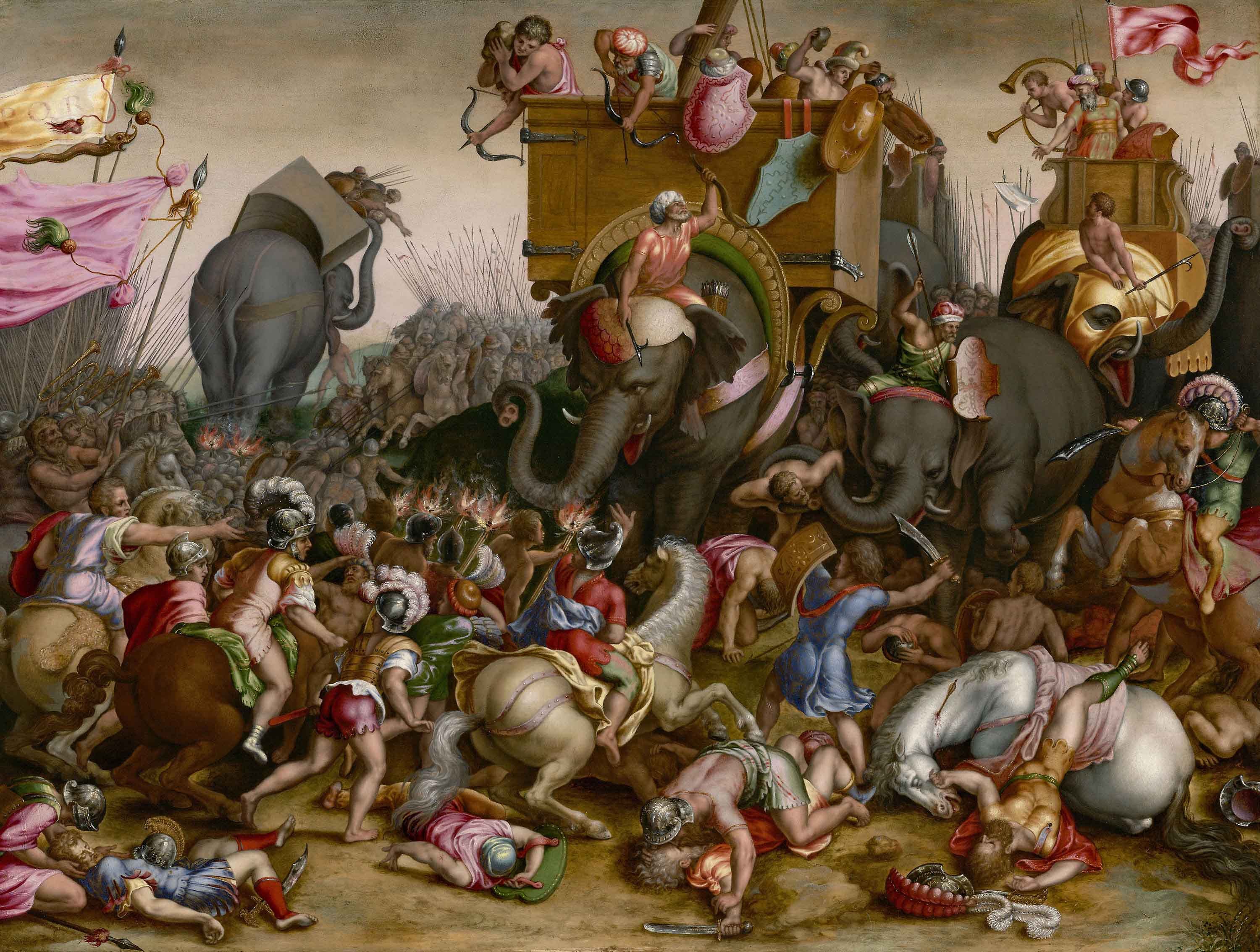
“The same merits and defects which I say are found in individual men, are likewise found in republics, whereof we have example in the case of Rome and of Venice. For no reverse of fortune ever broke the spirit of the Roman people, nor did any success ever unduly elate them; as we see plainly after their defeat at Cannae, and after the victory they had over Antiochus.”
Machiavelli, Discourses on the First Ten of Livy, III.31
While revered today as the last word in military glory, in reality Rome endured a torturous path to Empire. The early centuries of the Republic were defined by hardship, and there was rarely a war that Rome won without first suffering terrible defeats.
From the maulings she received at the hands of the Italic tribes — particularly the Samnites — on a regular basis, to her early confrontations with Carthage, Rome was tempered into shape by fire. As the most famous total war of the ancient world, the Second Punic War, indeed revealed, it was Rome’s ability to cope with defeat that truly set her apart. On the battlefield of Cannae in 216 BC, which Machiavelli references above, Rome lost over 50,000 men in a single day — numbers which would have been staggering even in the World Wars of the 20th century. Many other states would have capitulated after a disaster half that scale.
Rome however did not, because the Roman spirit was extremely resilient to ‘shock’. Of course it was, for Rome had endured countless defeats before. However terrible the losses at Cannae were, the situation was still not as bad as it had been in Camillus’ day over a century earlier, when the capital itself was occupied and sacked. Rome by now had a robust identity, one far more so than Carthage. Roman armies were filled out by Roman citizens — those of Carthage by hired mercenaries. The host of Hannibal was united by hatred of Rome and gold. Rome however was defined by a societal-wide investment in a common civilization.
As a result, to the legendary bafflement of Hannibal, Rome allowed herself only a moment’s grief before returning to the field and expanding the war. As Machiavelli emphasizes however, constancy comes into play in good times as well as bad:
“Here, therefore, we see that in times of adversity the Romans were neither cast down nor dismayed. On the other hand, no prosperity ever made them arrogant. Before fighting the battle wherein he was finally routed, Antiochus sent messengers to Scipio to treat for an accord; when Scipio offered peace on condition that he withdrew at once into Syria, leaving all his other dominions to be dealt with by the Romans as they thought fit. Antiochus refusing these terms, fought and was defeated, and again sent envoys to Scipio, enjoining them to accept whatever conditions the victor might be pleased to impose. But Scipio proposed no different terms from those he had offered before saying that “the Romans, as they lost not heart on defeat, so waxed not insolent with success””
Machiavelli, Discourses on the First Ten of Livy, III.31
Rome, therefore, was reliable. At her height, she was optimistic in defeat, and moderate in victory. She gained a reputation for honoring her word, be it to allies or to enemies, because there was a clear consensus among Romans that Rome stood for something that transcended the everyday, and that her word, once given, had to be honored for the sake of the honor of all Romans.
Constancy, therefore, was a central pillar of Rome’s identity, and her success. Sometimes, however, in order to better understand how important a virtue is, we need to consider what happens when it is absent.
For this, Machiavelli turns to a painful example from his own day, when Venice was almost wiped off the map by her own inconstancy…
