
Montesquieu on How Governments Decay
What makes and breaks governments...


Disconnect between government and the governed has arguably never been more apparent across the Western world than it is now. This does not mean, however, that our ancestors were not also troubled by it, and how it happens.
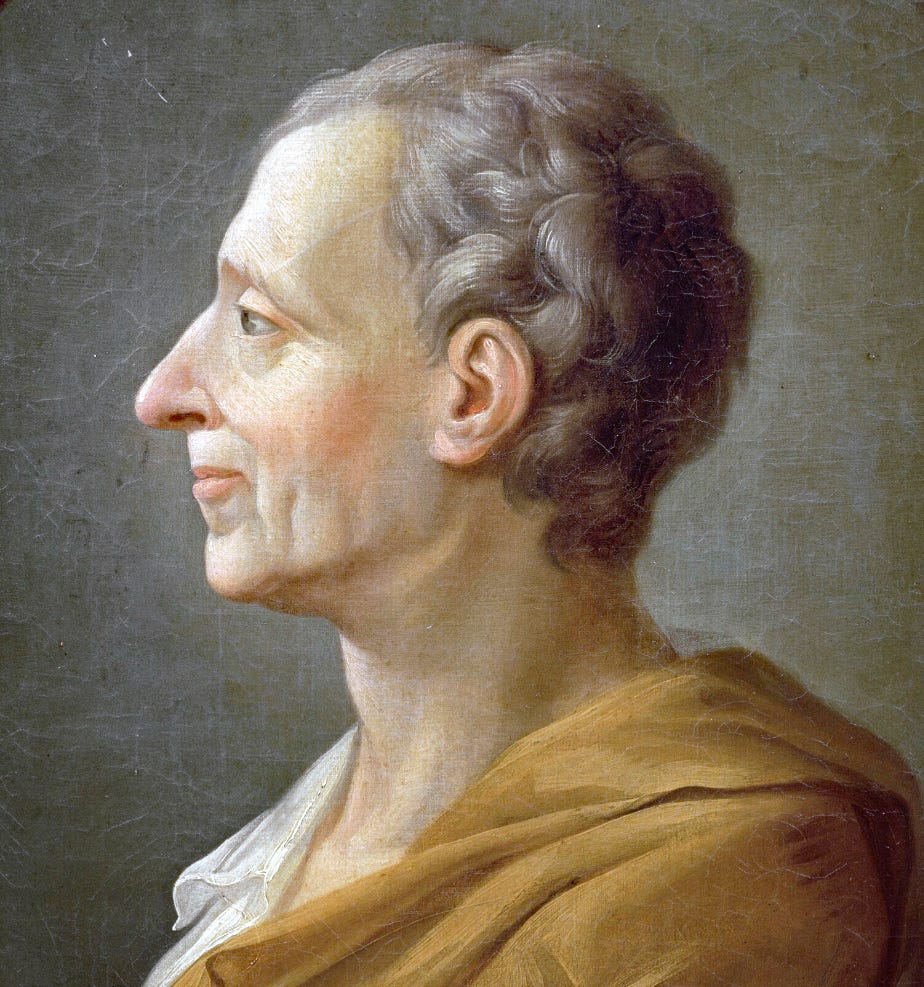
One man who sought to analyze this great question was a French nobleman of the 18th century, Charles Louis de Secondat, Baron of Montesquieu, the very man who pioneered the concept of Separation of Powers.
In Part I of his seminal 1748 work The Spirit of the Law, Montesquieu considers three forms of government — republican, monarchic and despotic — and offers a surprisingly cutting insight into what uniquely makes and breaks each of these governments.
So, what should the virtue of your government be, and what is it now?
Reminder: You can get TONS of members-only content dedicated to useful knowledge, and support our Mission at the same time for a few dollars per month 👇
Two full-length, new articles every single week
Get actionable principles from history to help you navigate modernity
Access to the entire archive of useful knowledge that built the West
Support independent, educational content that reaches millions
The Principles of The Three Governments
1 - The Principle of Republics
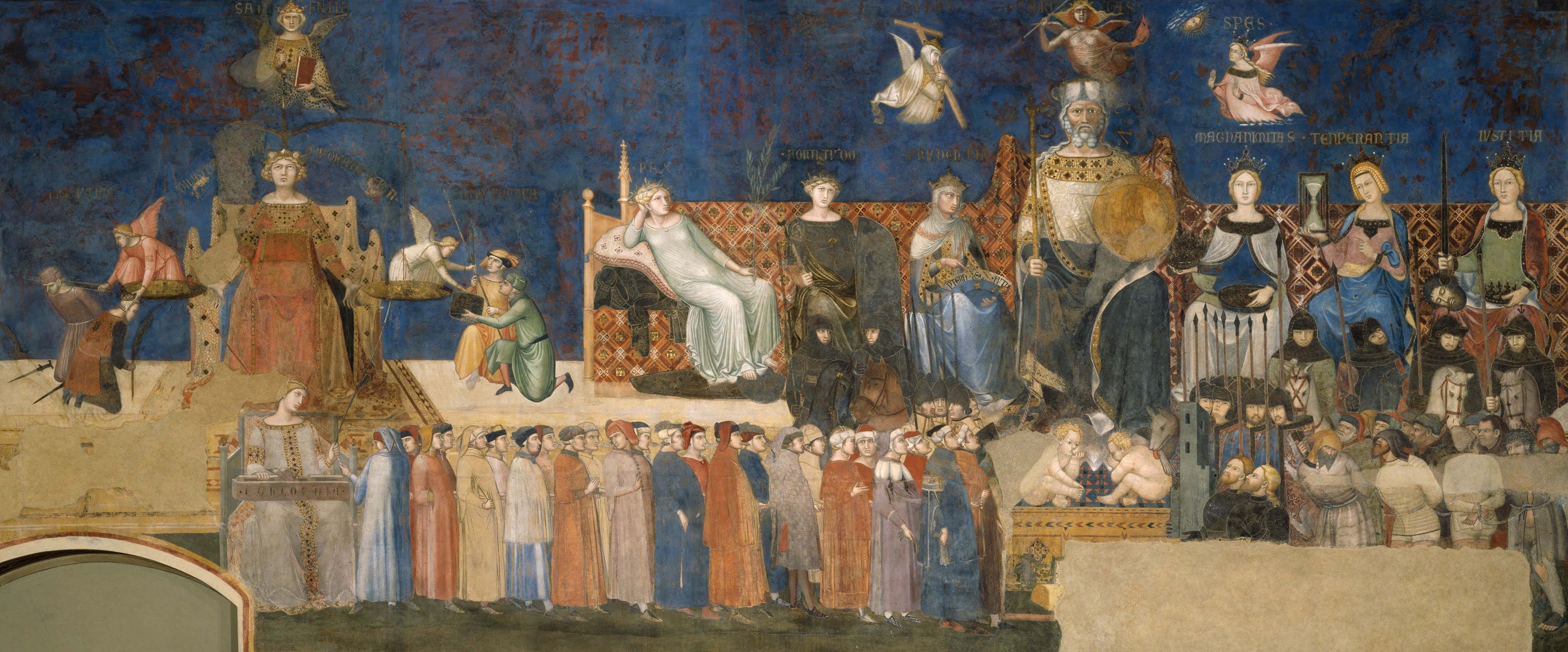
Montesquieu proposes the intriguing idea that each form of government is ultimately defined by one driving principle. A principle which is unique to that form of government, which gives it vitality, and which — as long as it is adhered to — can mitigate any weaknesses of said form of government.
For a republican state, which Montesquieu defined as one in which sovereign power lay in either the “collective body of the people, or particular families”, that principle is Virtue itself.
At first glance, this may sound like a bland platitude, but the reasoning is not. Montesquieu prefaces his explanation by pointing out that a monarchic system can more easily ‘self-repair’ following an ineffective reign:
“Clear it is also that a monarch, who through bad advice or indolence ceases to enforce the execution of the laws, may easily repair the evil: he has only to follow other advice; or to shake off this indolence. But when in popular government, there is a suspension of the laws, as this can proceed only from the corruption of the republic, the state is certainly undone”
Montesquieu, The Spirit of the Laws, III.3
A republic, however, cannot, for the blunt truth that misrule in a republic is by definition a blight that has spread throughout a critical mass of its governing elite. The very ‘checks and balances’ which dilute power then become a direct obstacle to holding the broader decay to account. It is, as a consequence, far more difficult to ‘prune’ the evil without a wholesale and hard reset — a violent revolution.
As a result, the only meaningful counterweight to elite misrule is the intolerance of the people towards it. Ergo, Virtue is the principle that a republican system must aspire to, champion and uphold. Montesquieu develops this by listing several examples from history — from Sulla’s march on Rome to the English Civil War — of where he believed republican experiments were entirely wasted because the citizen body had been corrupted by either the same vices as the elites they had overthrown, or simply been beaten down into collective apathy. In other words, unless the citizen body loves Virtue and demands it, their elites will sooner or later betray them and their interests.
Furthermore, Montesquieu gives a remarkably prescient summary of what happens to republics that fail to take this principle seriously:
“When virtue is banished, ambition invades the hearts of those who are disposed to receive it, and avarice possesses the whole community. The desires now change their objects; what they were fond of before, becomes indifferent; they were free, while under the restraint of laws, they will now be free to act against law; and as every citizen is like a slave escaped from his master's house, what was a maxim of equity, they call rigour; what was a rule of action, they call constraint; and to precaution they give the name of fear. Frugality, and not the thirst of gain, now passes for avarice. Formerly the wealth of individuals constituted the public treasure; but now the public treasure is become the patrimony of private persons. The members of the commonwealth riot on the public spoils, and its strength is only the power of some citizens, and the licentiousness of the whole community.”
Montesquieu, The Spirit of the Laws, III.3
So if Virtue is the principle of republics, what is it for monarchies and why is it different?
2 - The Principle of Monarchies
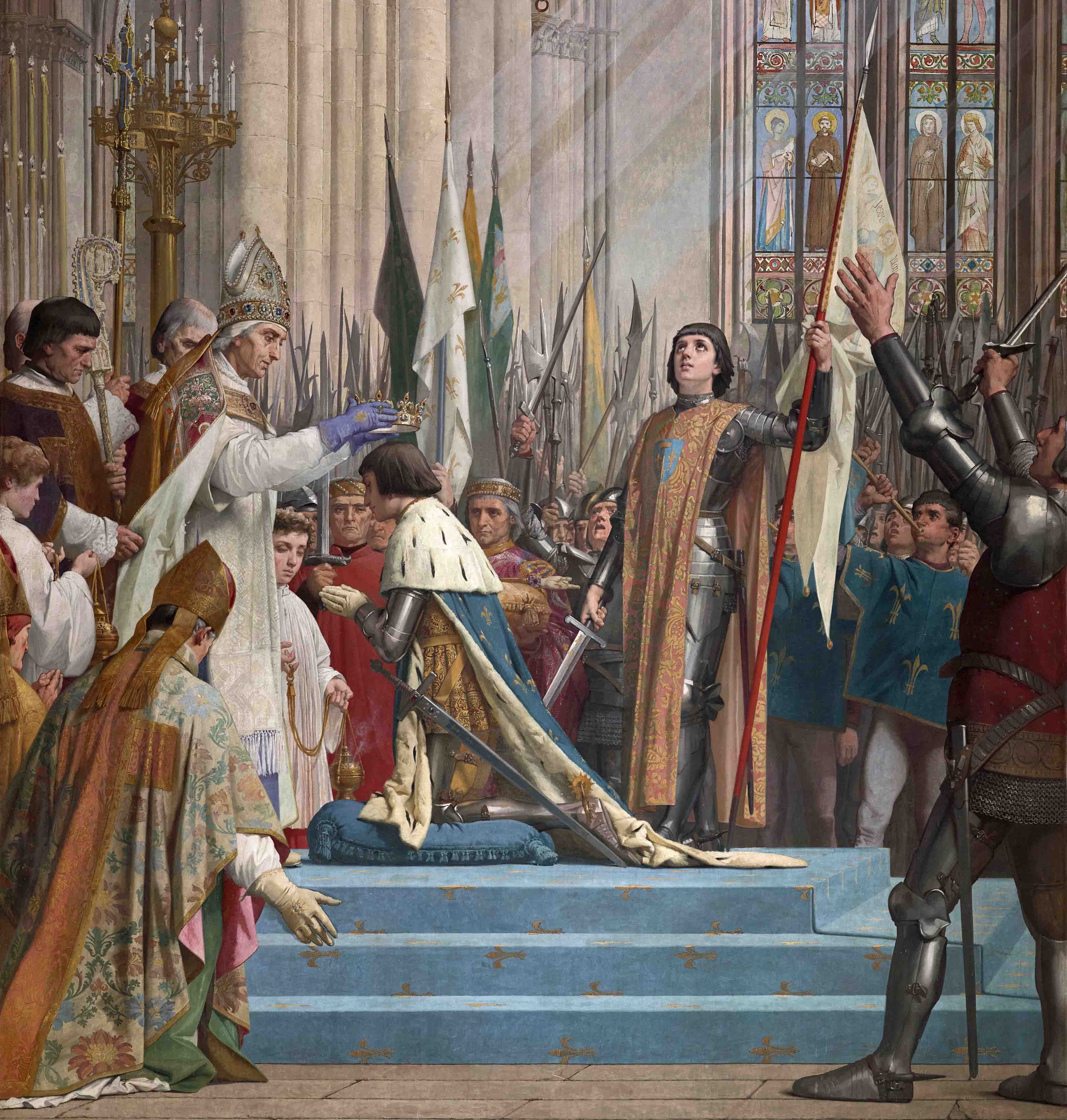
Under an executive monarchy, that is a monarchy in which the sovereign wields actual decision-making power, the calculations are different.
“In monarchies, policy makes people do great things with as little virtue as she can. Thus in the finest machines, art has contrived as few movements, springs, and wheels as possible”
Montesquieu, The Spirit of the Laws, III.3
Since power in a republic is distributed across many moving parts, even in an ideal scenario the making of sound policy faces considerable inertia. In a true monarchy, this of course is avoided, and therefore so too the need for the broader populace to be as vigilant of Virtue. There is broader no elite to hold to account, and in any case, the monarch does not depend on election to hold that power nor the cooperation of elites to wield it. But that does not mean that monarchies have no need of a principle.
So instead of Virtue, the principle of monarchy is Honor:
“Monarchical government supposeth, as we have already observed, pre-eminences, and ranks, and likewise a noble descent. Now as it is the nature of honor to aspire to preferments and distinguishing titles, it is therefore properly placed in this government.
Ambition is pernicious in a republic. But in a monarchy it has some good effects, it gives life to the government, and is attended with this advantage, that it is no way dangerous, because it may be continually checked.”
Montesquieu, The Spirit of the Laws, III.7
The system of honor, and of honors, is an effective way of harnessing individual ambition and transforming it into activity that is constructive for the kingdom itself. Men desire honors, and honor for themselves and their family, and since these are achieved by actions that are publicly perceived as wholesome, advancement in a true monarchy forces the ambitious to at least partially work for the good of the state instead of purely for power. The throne itself, after all, is off limits, and so the desire for glory is separated from the desire for power.
A system of honor, radiating out from the princely court, can be just as effective a check on misrule in a monarchy as a virtuously guided and honestly managed election in a republic. Moreover, as Montesquieu implies, monarchic Honor shifts the emphasis away from popularity and politicking and towards individual acts:
“Is it not a very great point, to oblige men to perform the most difficult actions, such as require a great degree of fortitude and spirit, without any other recompence, than the fame and reputation arising from the actions themselves?”
Montesquieu, The Spirit of the Laws, III.7
But there is a third form of government, which both of the above can mutate into…
3 - The Principle of Despotism
It is profoundly naive to believe that monarchy alone is vulnerable to despotism. A despotic government after all, Montesquieu maintains, is any in which the principle is fear:
“As virtue is necessary in a republic, and in a monarchy honor, so fear is necessary in a despotic government: with regard to virtue, there is no occasion for it, and honor would be extremely dangerous.
Here the immense power of the prince is devolved entirely upon those to whom he is pleased to intrust. Persons capable of setting a value upon themselves would be likely to create revolutions. Fear must therefore depress their spirits, and extinguish even the least sense of ambition.”
Montesquieu, The Spirit of the Laws, III.9
As the later French Revolution and beyond would reveal, fear can just as easily emanate from a government that preaches liberty as one that embodies autocracy. Quite simply because a despotic government is an illegitimate one. That is, a government which is not underpinned by clear written laws or historical and cultural roots.
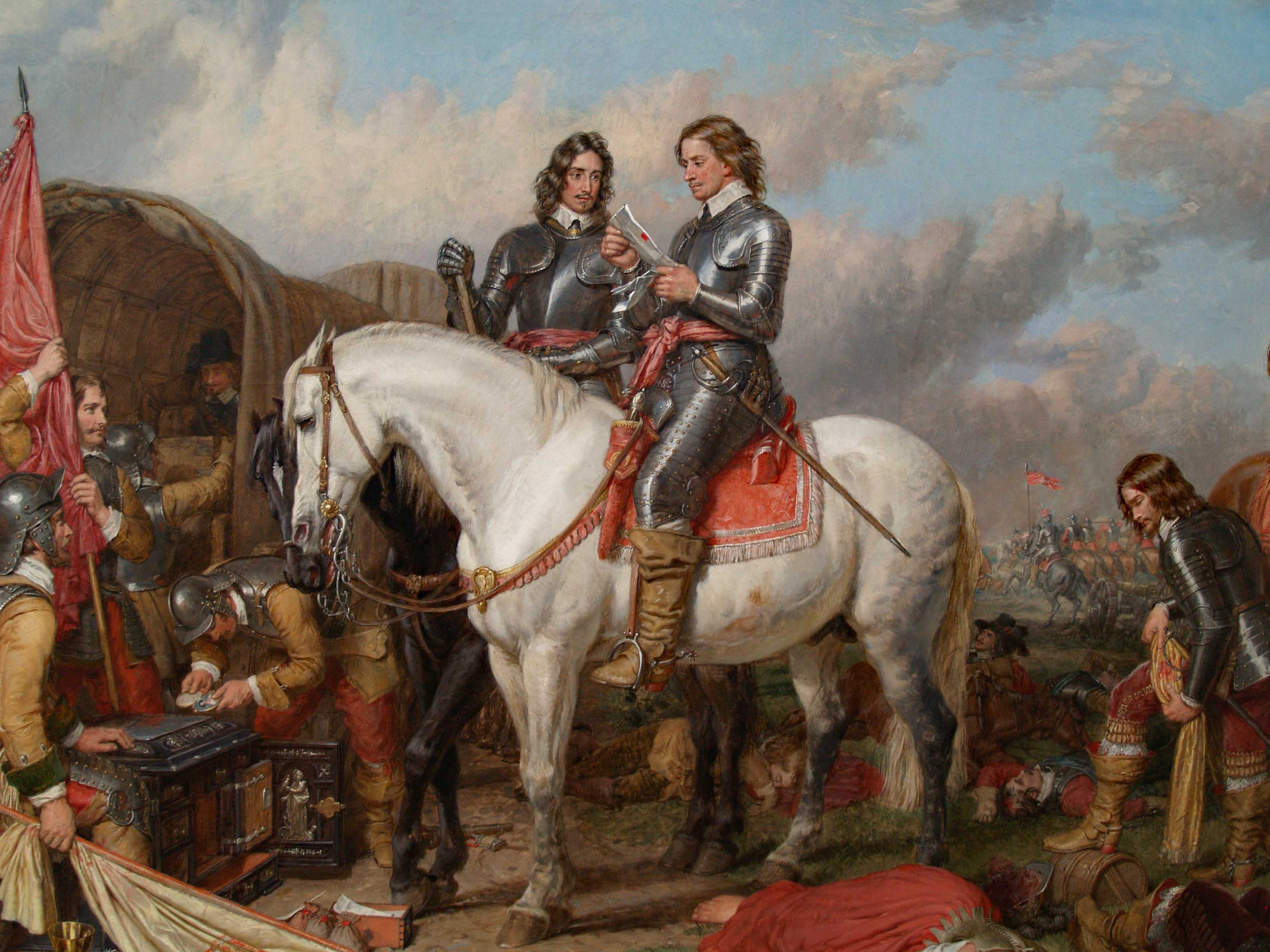
As the written laws have already been violated to establish the despotic regime, the enforcement of law is by definition selective. Despotism thus occupies a grey area of confusion which requires force, and therefore fear, to perpetuate itself. Any government, republican or monarchic, which enforces laws arbitrarily is therefore despotic. The dictatorship of Oliver Cromwell, which defined England’s brief republican phase and which relied on the New Model Army to enforce London’s will and Puritanical ideology, is a typical example of the former.
So, how do we know when the principle of our government is compromised, and therefore when to act?
