


It is commonly agreed that those who serve their country should be honored, and those who bled for her even more.
As a result, it also commonly agreed that the abandonment of all too many veterans to homelessness, addiction and indignity is as scandalous for the society that allows it as it is tragic for the individuals concerned.
Countries across the Western world have no shortage of splendid memorials to remember their fallen, but what about those who served and yet lived to bear their wounds for years and decades later?
One can all too easily assume that this problem must have been worse in the past. Yet one of the most famous and photogenic monuments of Paris challenges that assumption, and many others we might have about history.
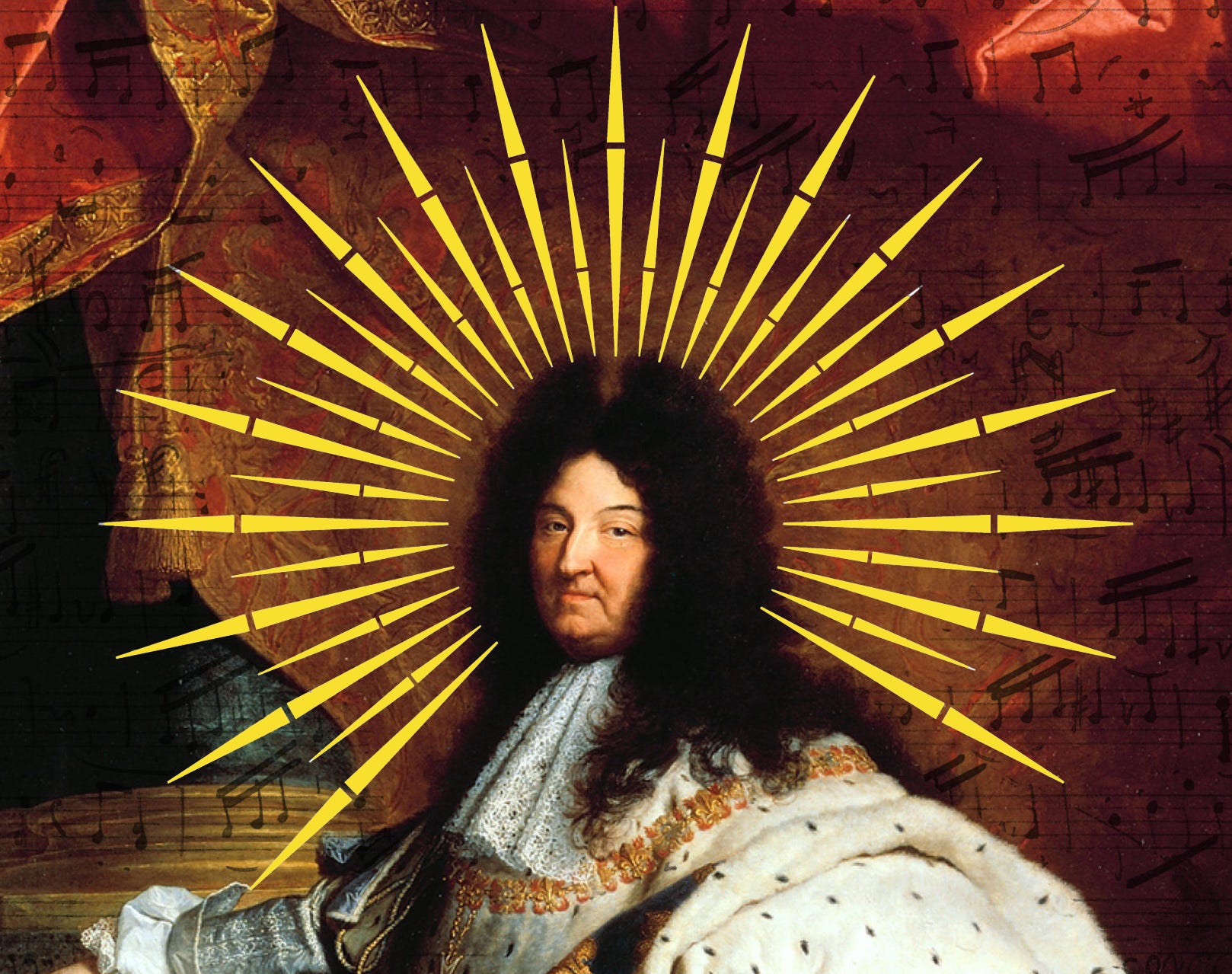
Here is how King Louis XIV of France and the Hôtel des Invalides surpassed the Romans to set the gold standard for how a nation should treat her heroes…
Reminder: You can get tons of members-only content dedicated to useful knowledge, and support our Mission at the same time for a few dollars per month 👇
Two full-length, new articles every single week
Get actionable principles from history to help you navigate modernity
Access to the entire archive of useful knowledge that built the West
Support independent, educational content that reaches millions
Roman Charity
The admiration of wounded veterans is one of the few cultural principles that has remained intact since Antiquity. Indeed, prior to royal France, it was republican and imperial Rome that had set the precedent for the treatment of soldiery and welfare of veterans.
One throwaway reference of Plutarch makes it clear that battle wounds were worn with pride in Rome, and were even considered an asset when standing for office:
“Now it was the custom with those who stood for the office to greet their fellow-citizens and solicit their votes, descending into the forum in their toga, without a tunic under it. This was either because they wished the greater humility of their garb to favour their solicitations, or because they wished to display the tokens of their bravery, in case they bore wounds”
Plutarch, Life of Coriolanus, 14.1
By the late Republic, it had become expected that a Roman soldier was owed a grant of productive land at the end of his term of service. The English word colony, after all, derives from the Latin colonus — ‘farmer’ — since Roman ‘colonies’ were created by assigning parcels of land to veterans in freshly conquered territory. Indeed the distribution of awards to veterans snowballed into a major political crisis by the days of Caesar, when the Senate’s refusal to confirm Pompey’s settlement of veterans in the East was the immediate trigger for both men to ally with Crassus in the First Triumvirate.
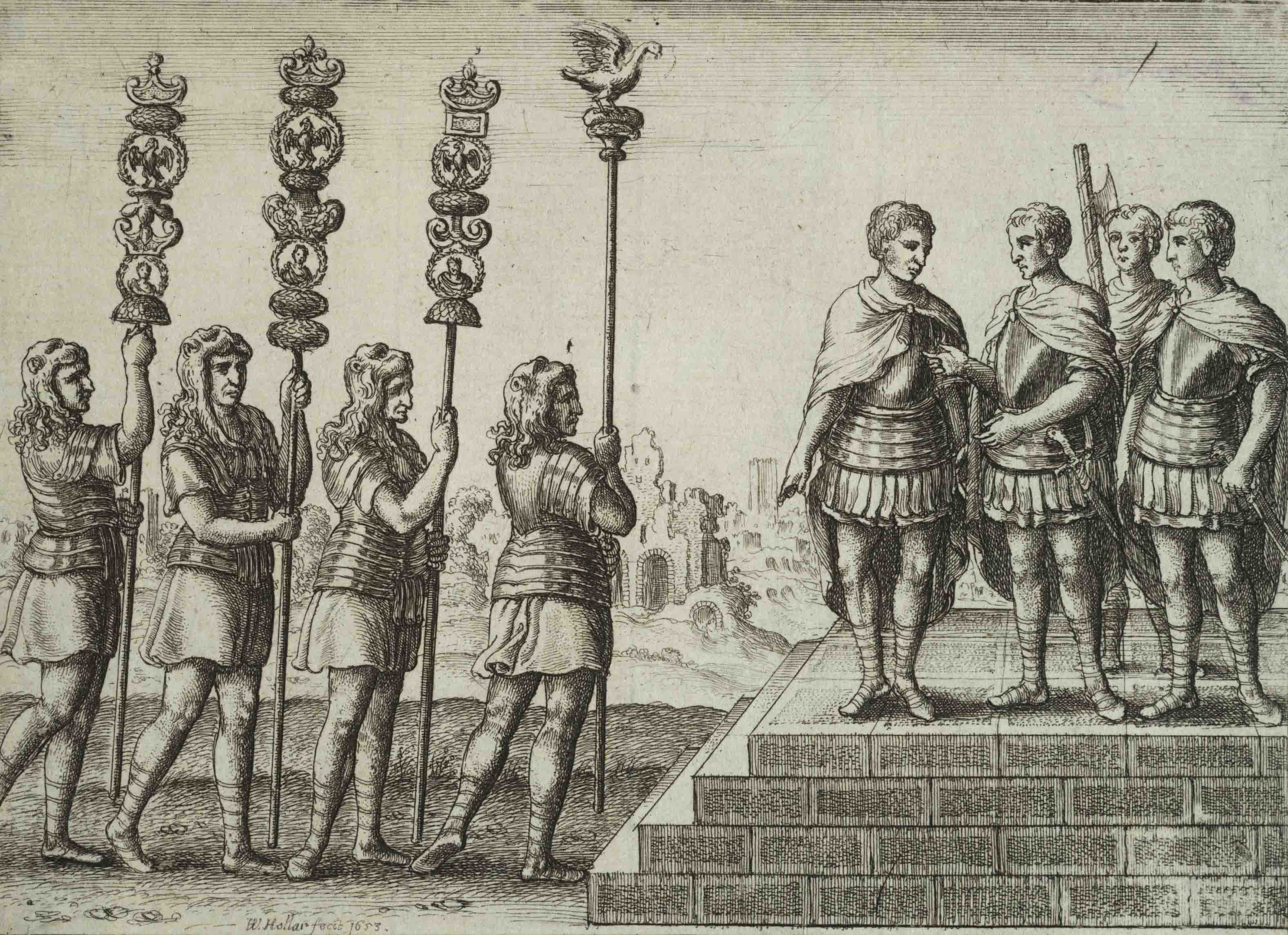
Under the Republic, the system could be generous, but it was chaotic. Not for nothing, therefore, did the Emperor Augustus count his reform of veteran welfare as one of his foremost achievements:
“The Roman citizens who took the soldier's oath of obedience to me numbered about 500,000. I settled rather more than 300,000 of these in colonies or sent them back to their home towns after their period of service; to all these I assigned lands or gave money as rewards for their military service”
Augustus, Res Gestae Divi Augusti, 3
In Classical Rome, therefore, if he received an honesta missio — honorable discharge — the soldier could look forward to a dignified life after combat. The Romans, more than any others, understood that rewarding service was proper, and that not doing so was as politically dangerous as it was immoral. Not only could it discourage recruitment and damage morale, it left experienced soldiers with a reason to rebel.
The Roman Empire alas, would not live forever, and when she fell, so too did her institutions. Over a thousand years later, however, the vision of Augustus was revived and indeed surpassed by one of the few rulers in history whose fame rivals that of Rome’s first emperor…
France Takes the Scepter

The collapse of Rome in the West brought with it the end of the concept of a professional army, largely because centralized governments no longer existed. Feudalism, after all, was functionally the exact opposite.
Yet following a series of severe defeats at the hands of the English in the Hundred Years’ War, it was the French who reversed this trend by steadily reining in rebellious nobles. As authority was slowly consolidated under the Crown, so too was the soldiery. The compagnies d’ordonnance that Charles VII assembled in from 1445 formed the first permanent military units the West had seen since the Roman legions. As a result, it would not be long before France began to experience the same issues with her veterans that the Romans had.
There was of course a key difference to ‘last time’. The Kingdom of France was Christian, not pagan, and charity was as important as realpolitik when it came to looking after her own.
In 1589, Henry III instituted the Ordre de la Charité Chrétienne, as a religious order to care for maimed officers and soldiers. Severe unrest in France caused by the Wars of Religion, however, and the King’s assassination the same year, prevented anything from coming of it. Louis XIII would fare little better in 1634, when the idea was revived with the conversion of the Château de Bicêtre into the Commanderie Saint-Louis veteran’s hospital. The death of France’s powerful first minister, Cardinal Richelieu, and then the King himself within the decade, stalled this project too.
But by the mid-17th century, the issue could be put off no longer. For with the ascension of Louis XIV to the throne, France entered her Golden Age. Following the Treaty of the Pyrenees in 1659, France emerged from decades of war as the most powerful state in Europe. Those wars, however, came at a cost, as the streets of Paris were overrun with thousands of discharged soldiers, many of whom were forced by desperation into a life of crime and drunken disorder.

When the Sun King learned of their plight, however, he did not resign himself to powerless inevitability. He instead applied his trademark ambition and flair for the dramatic to actually solving the problem, and so by Royal Decree of the 12th March 1670, Louis XIV declared the following:
“We deemed it no less worthy of our pity than of our justice to rescue from misery and beggary the poor officers and soldiers of our troops who, having grown old in service, or who in past wars, having been crippled, were not only unable to continue to render us services, but also unable to do anything to live and subsist; and that it was quite reasonable that those who freely risked their lives and shed their blood for the defense and support of this monarchy, who so usefully contributed to the victory of the battles we won over our enemies, and who by their vigorous resistance and generous efforts often reduced them to begging for peace, should enjoy the rest assured to our other subjects and spend the rest of their days in tranquility.”
King Louis XIV of France, March 12th 1670
Thus was born the Hôtel Royal des Invalides, or Royal House of the Invalids. Royal indeed, for Louis was determined that Les Invalides would be something more than the somewhat modest proposals he was initially presented with. No, those who had fought in the King’s army would be accommodated in a residence worthy of the heroes of France. As a result, when the first residents began moving in just four years later, they would find far more than just splendid architecture awaiting them.
The true greatness of Les Invalides, after all, was that it offered something beyond mere accommodation and healthcare. It offered veterans a life of dignified purpose again...
