
How Aristocracy can Stimulate Virtue
Saint Charles Borromeo on Noble Virtue...


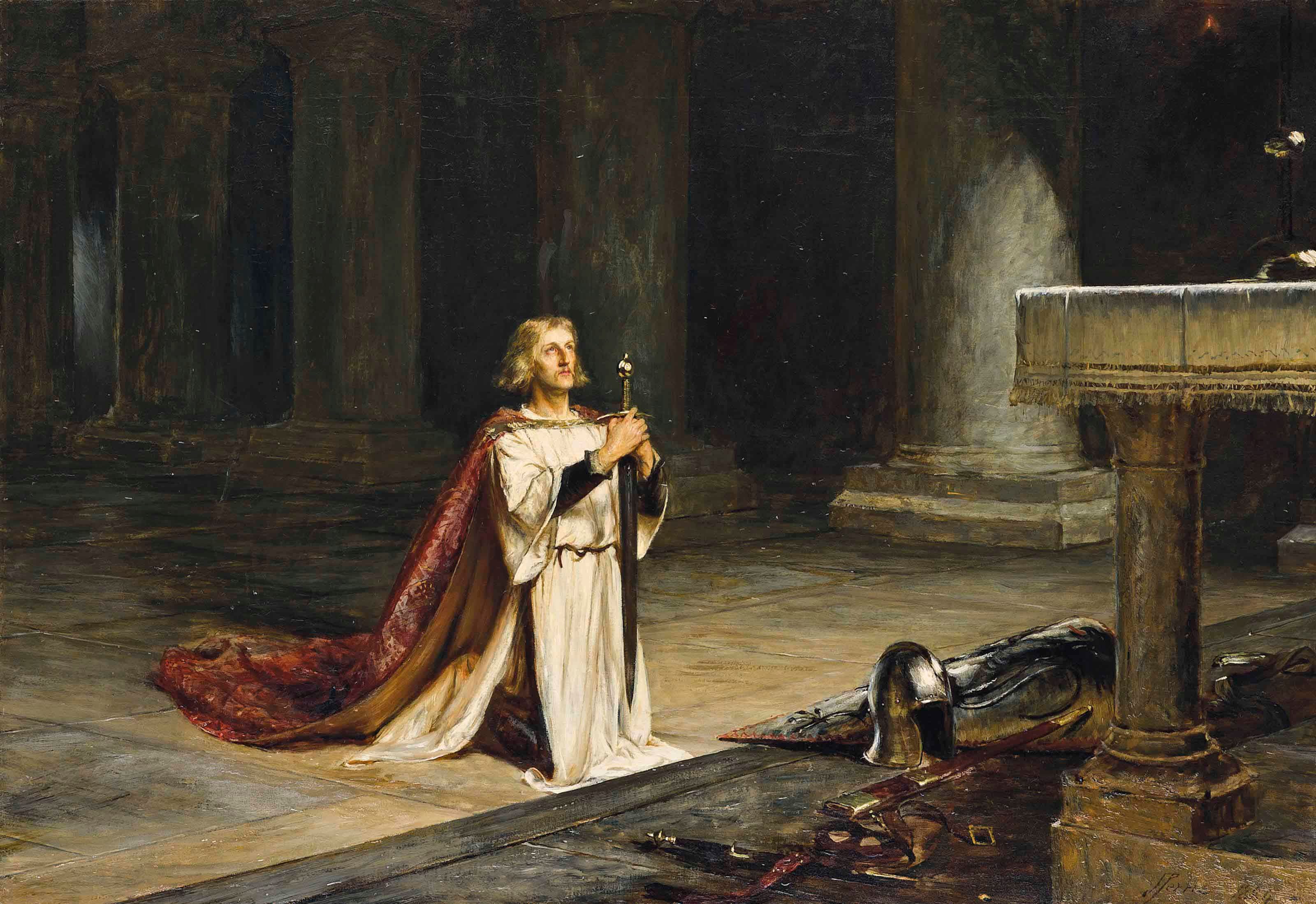
The modern world has done much to pollute the idea of aristocracy by conflating it with oligarchy.
What is the difference, you may ask? After all, isn’t it all just small groups of elite people who run the country?
But there is one simple difference which makes all the difference. In an oligarchy such as we know today, power lurks in the shadows. It is unwritten, unacknowledged and therefore unchecked. In an aristocracy, power is open. It is written, acknowledged and there is no plausible deniability over who is wielding it.
How power transfers in an oligarchy is never clear. In an aristocracy, it is openly and unapologetically hereditary. Modern elite thought views this manner of succession as a weakness. Our ancestors of course did not, and indeed one man who championed what hereditary nobility can do for society was an actual saint.
On September 8th 1584, Saint Charles Borromeo indeed delivered a sermon in Milan on this very topic. In it, he argued that nobility can be a powerful stimulus for public virtue, and that the hereditary element was crucial to this.
So, how can aristocracy stimulate virtue, and how therefore can you become more aristocratic?
Reminder: You can get tons of members-only content dedicated to useful knowledge, and support our Mission at the same time for a few dollars per month 👇
Two full-length, new articles every single week
Get actionable principles from history to help you navigate modernity
Access to the entire archive of useful knowledge that built the West
Support independent, educational content that reaches millions
Nobility of Flesh, Nobility of Soul
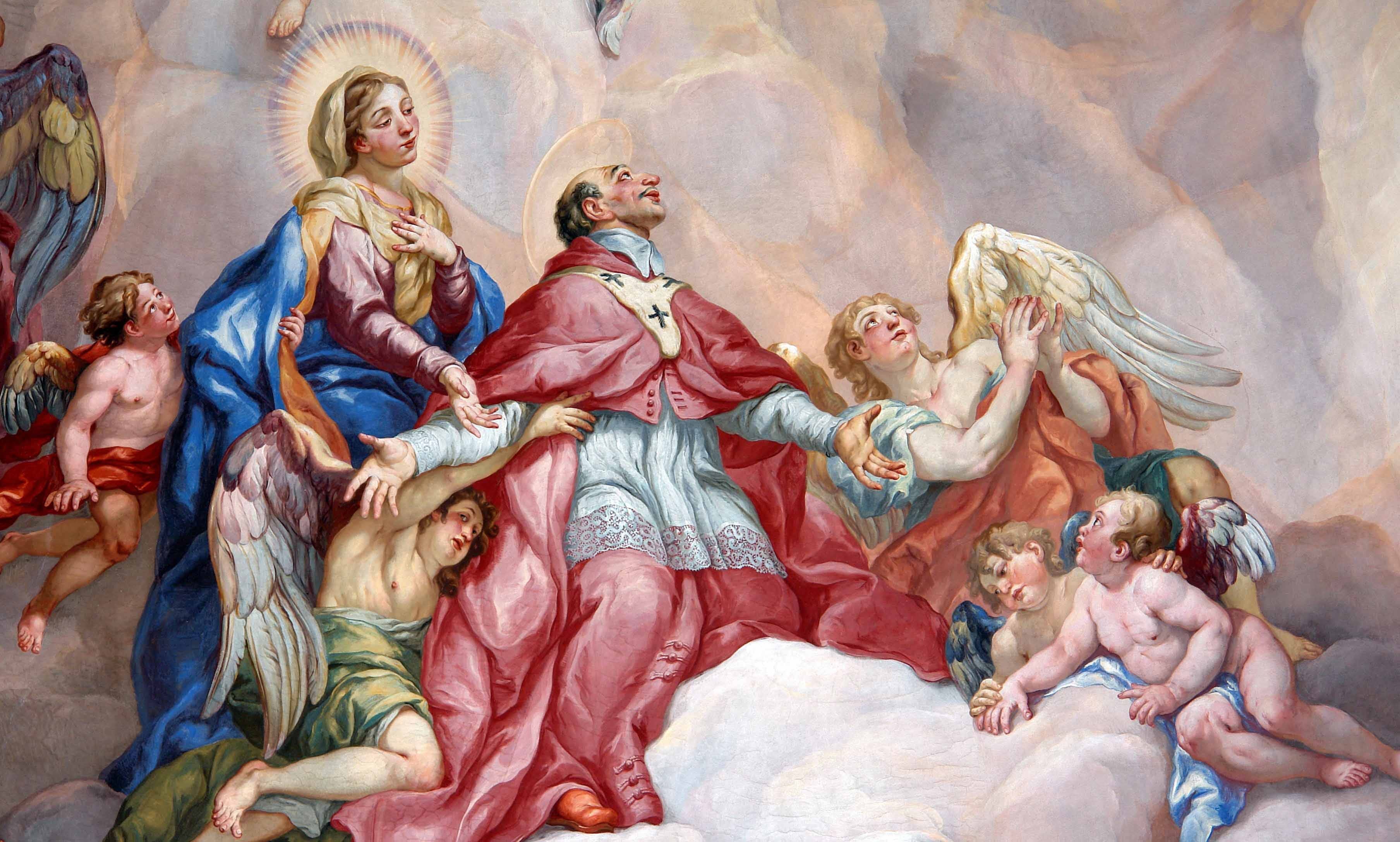
Saint Charles Borromeo was uniquely well-qualified to speak on the subject of aristocratic virtue. As well as being a cleric who served as Archbishop of Milan, he was also a nobleman himself. Descended from the House of Borromeo, one of the older lordly families of Lombardy, he had centuries of family tradition behind him.
You may think, therefore, that it was self-serving of Charles to champion nobility as an asset to society. But he was a man who practised what he preached, and who put his money where his mouth was. In 1573, he founded a successful school in Milan, the College of Nobility, with the express purpose of educating aristocratic sons in Christian virtue, away from temptations that would lead them astray.
When a deadly plague struck Milan three years later, Charles would become renowned for his selfless dedication to the suffering. Successfully mobilising the Christian communities of the city to coordinate aid, he famously went into steep debt himself to procure food for the starving. So when he addressed the congregation of Milan on September 8th 1584 with a stirring sermon on Christian nobility, he did so with credibility.
He indeed began that sermon with a reminder that to be Christian is to already be imbued with the dignity of nobility:
“Moreover, although we are not ignorant of the fact that true nobility — the Christian nobility — is that which the Only Begotten of the Father conferred on all of us when“ as many as received Him, He gave them power to be made the sons of God” (John I:12), and that this dignity of nobility is common to all faithful Christians, nevertheless we believe that nobility according to the flesh ought not in any way be despised or rejected”
Saint Charles Borromeo, Homily of September 8th 1584
That said, “nobility according to the flesh” absolutely has a role to play in encouraging this “dignity of nobility”. First of all, in the role it plays in setting out expectations within the noble family itself:
“In the first place, the splendor of the blood and the virtue and famous deeds of the ancestors have a marvelous effect in disposing the noble, virile man to follow in the footsteps of those from whom he descended”
Saint Charles Borromeo, Homily of September 8th 1584
There is nothing, after all, quite as motivating as the example set by your own flesh and blood to inspire you to equal or surpass it. The bond of kin between the nobleman and his ancestor brings with it a certain reassurance, that within him a certain ability flows, and that he is capable of greatness.
This of course works in multiple ways. The man who is aware of his ancestors has examples both positive and negative to draw upon, and the more acquainted he is with those ancestors, the deeper the well of wisdom he has to draw upon. While the “nobility of the flesh” is by definition better placed to do this, since noble families by their nature tend to be aware of and celebrate their ancestors to a greater degree, the same logic applies to any family.
“Know Thyself”, as the inscription above the Oracle of Delphi famously said. Know your family, who has come before you and what battles they faced. Every family has a story, of which you are a chapter. Unless you know where in that story you are, your chapter will ramble, undermining the course of those that are to follow.
But how can aristocracy itself help with this?
A Stage For Elevating Virtue
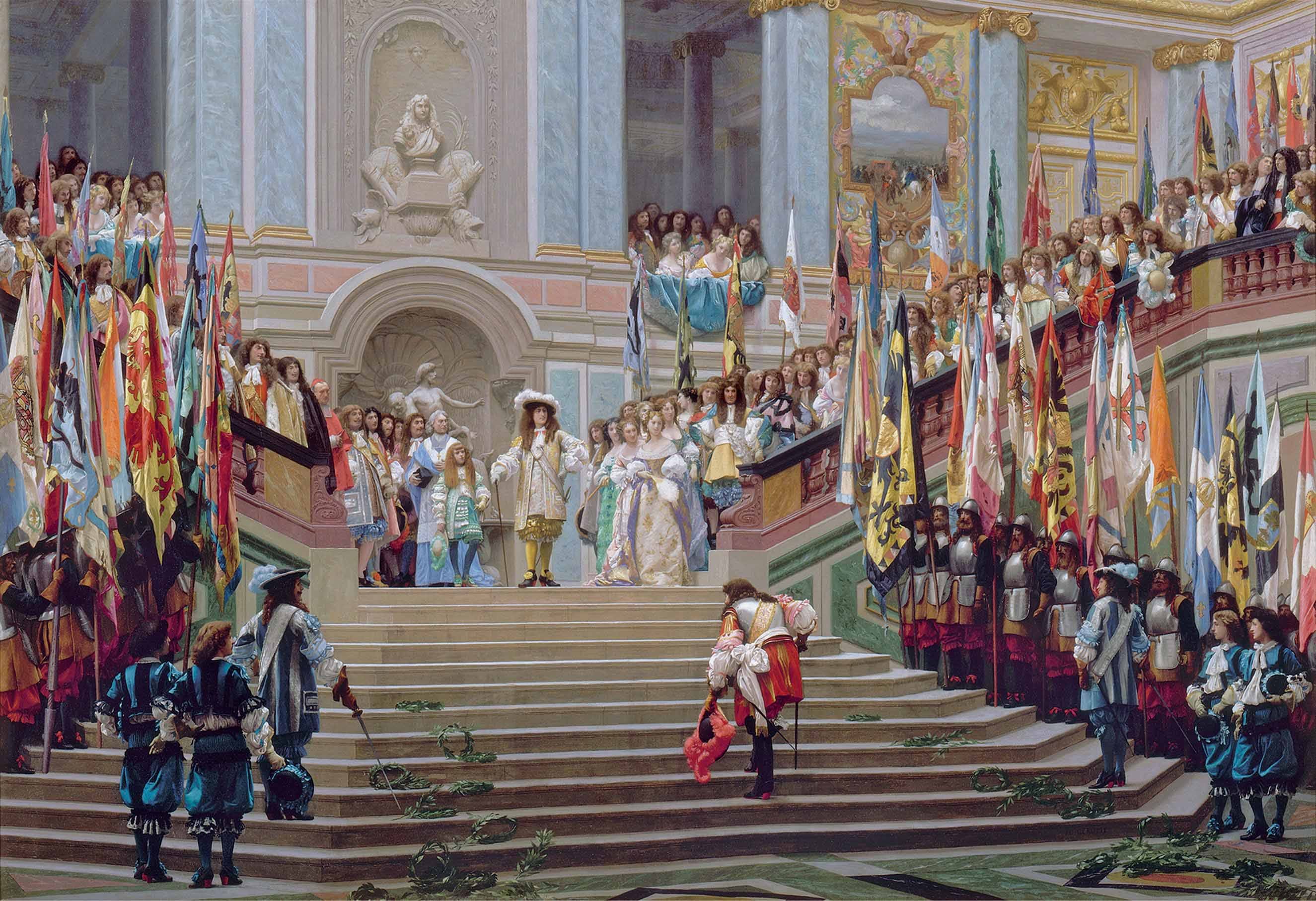
“All the world's a stage,
And all the men and women are merely players;
They have their exits and their entrances,
And one man in his time plays many parts”William Shakespeare, As You Like It, Act II, Scene VII
If virtue can be cultivated by anyone, and a strong family unit can assist in the cultivation of it across generations, then there is one clear role that titled nobility can play — to serve as a stage for that virtue.
In other words, the existence of an aristocracy, whose status is known to all and whose lives are visible to all is an exceptionally powerful tool. An aristocrat, after all, is fundamentally different to a celebrity. His status and standing, after all, cannot be divorced from service to the country. Under Feudalism, this was true to an absolute degree. It was physically impossible to own the land which could beget wealth without possessing a title that carried with it clearly defined obligations in governance and military leadership.
An aristocracy therefore can provide the same ‘appeal’ as celebrity and inspire the same ‘personal investment’ from the people, while keeping said ‘aura’ anchored to productive service. Since their very status as aristocrats fluctuates according to their deeds, this in itself acts as an incentive to virtue, as does the fear of scandal. The aristocrat, therefore, has a clear interest in fostering virtue in his children:
“Whence it follows that the nobles, as if by a certain instinct of nature, seek after honor, cultivate magnanimity, despise cheap gains, and finally abhor those things deemed unworthy of their nobility”
Saint Charles Borromeo, Homily of September 8th 1584
We may laugh today at the fussiness of etiquette and the preoccupation with standing among the pre-war nobility, or perhaps smile at its quaintness, but there was of course a reason for these manners. Lesser sin, ultimately, was seen as the tip of the iceberg. A man who took a lax view of ceremony, or else indulged in gambling or infidelity, it was believed, had slipped and had opened himself to temptation that would enable graver crimes. A man in disgrace is a man unlikely to be given opportunities — opportunities that could elevate himself and his family.
Thus nobility, and above all, the culture of nobility, can act as a surprisingly self-regulating standard of conduct among the ruling elite:
“In the second place, nobility is equally a stimulus for holding fast to virtues. This differs from the first benefit we have described: the first predisposes the noble to embrace righteous works more easily; the second adds powerful stimuli to that which has been rendered easy and, as it were, is a kind of bridle that represses vices and actions unbecoming of the noble and that, should the noble fall into some fault, causes him to be overcome with an extraordinary shame so that he may, with all his strength, take care to purify himself of this stain.”
Saint Charles Borromeo, Homily of September 8th 1584
It is important to remember, too, that if we speak of hereditary nobility then the ‘stakes of conduct’ are raised for the individuals. For they risk the name not only of themselves, but their ancestors before them and descendants after them.
At the same time, if we speak of hereditary nobility, then we are also speaking of a certain prestige that a mere career bureaucracy cannot emulate, and has singularly failed to replicate. There is an innate human respect for anything that lasts, including names. Coming back to the stage, therefore, nobility has the power to reflect its own prestige onto what it does upon that public stage:
“Finally, the last benefit of nobility to consider is that, just as a precious rock glimmers more when it is set in gold than in iron, so also these virtues are more splendorous in the noble than in the common man; and nobility added to virtue is its greatest ornament.”
Saint Charles Borromeo, Homily of September 8th 1584
Virtue is pure, and nobility majestic. When the two are allied, they are greater than the sum of their parts. A virtuous nobleman makes virtue itself glamorous.
At this point, if not before, you are likely wondering if I will address the elephant in the room. ‘Yes, but not all noblemen are virtuous, indeed some have been downright scandalous, so now what?’.
Counterintuitively however, an immoral nobleman can be as much an asset to his society as his virtuous kin. For as Charles points out, aristocracy can be the stage of society. But in order to tell a compelling story from that stage, it needs villains as well as heroes…
