
Are Some Cultures Objectively Better Than Others?
How Virtue and Vice Determines the Rise and Ruin of Civilizations


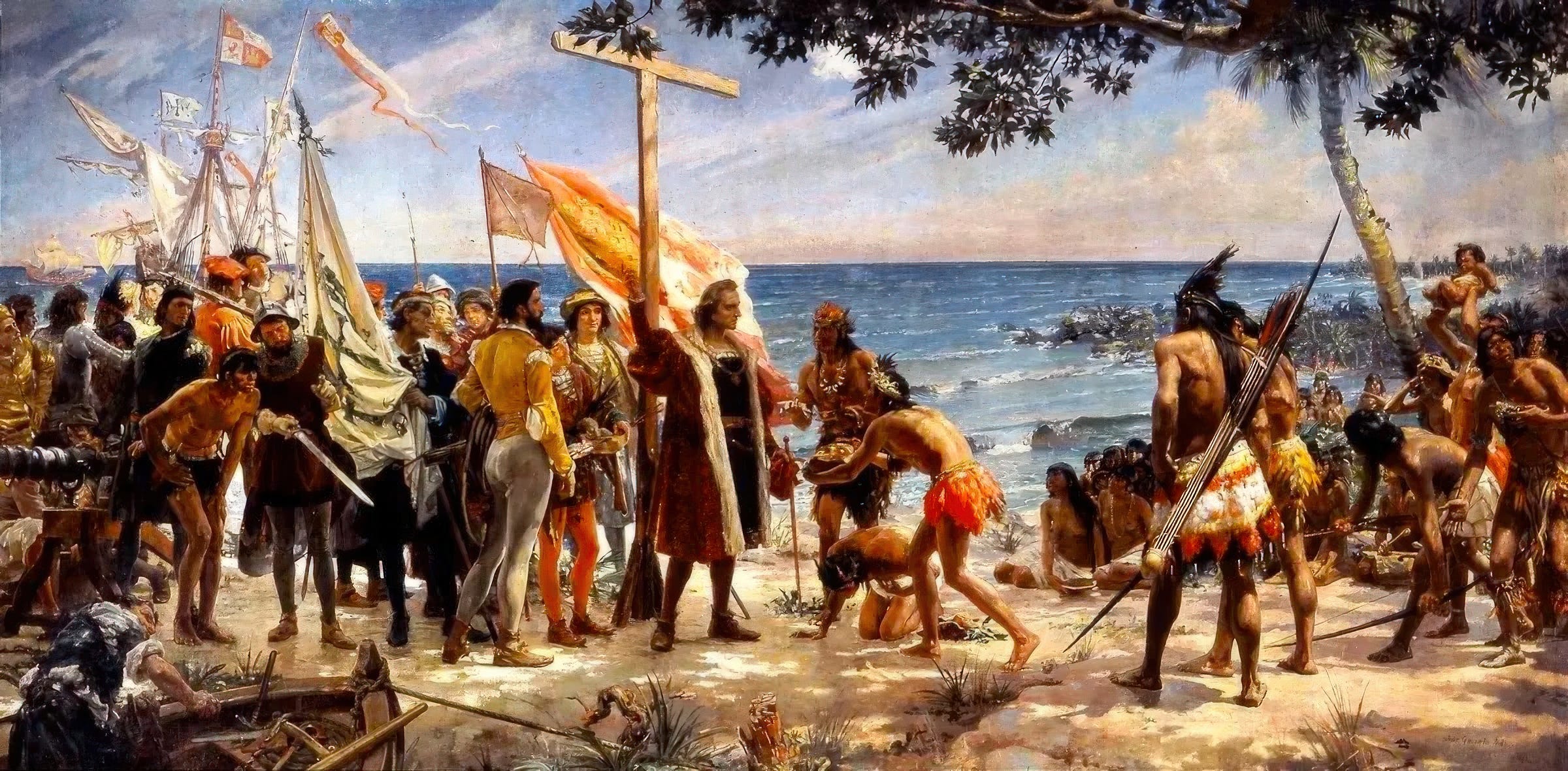
Western thought has long recognized a fundamental truth, that while all human beings are made in God’s image and likeness and possess an inherent dignity and equality, the cultures they produce do not.
Culture is not an abstraction. It is the accumulated pattern of human behavior lived out by a particular people across centuries. As Will Durant observed in his summary of Aristotle’s Nicomachean Ethics, “We are what we repeatedly do. Excellence, then, is not an act, but a habit.” What is true of individuals is true, by extension, of communities. Culture is simply the habits of a people writ large — what they honor, what they fear, what they worship — and these shared habits form the moral architecture of a civilization.
Once we recognize culture as the long‑term expression of collective behavior, a further point becomes unavoidable. Just as individual behavior can be virtuous or vicious, so too can the behavior of a people. The question, therefore, is not whether cultures differ — of course they do — but whether some cultures are more conducive to individual and collective human flourishing than others.
In other words, the real question is whether some cultures are objectively better than others.
In The Decline of the West, Oswald Spengler famously argued that “every culture has its own soul,” a unique animating principle that shapes its civilizational destiny. This insight follows directly from the claim that cultures are the long‑term habits of a people: if habits form character, then the collective habits of a civilization form something like a civilizational character. Civilizations rise, flourish, and decay according to the quality of the cultural forces that animate them. History bears this out with sobering clarity. Some cultures cultivate virtue, order, and the conditions for human flourishing; others habituate vice, disorder, and spiritual exhaustion, weakening both the individual and the wider social organism.
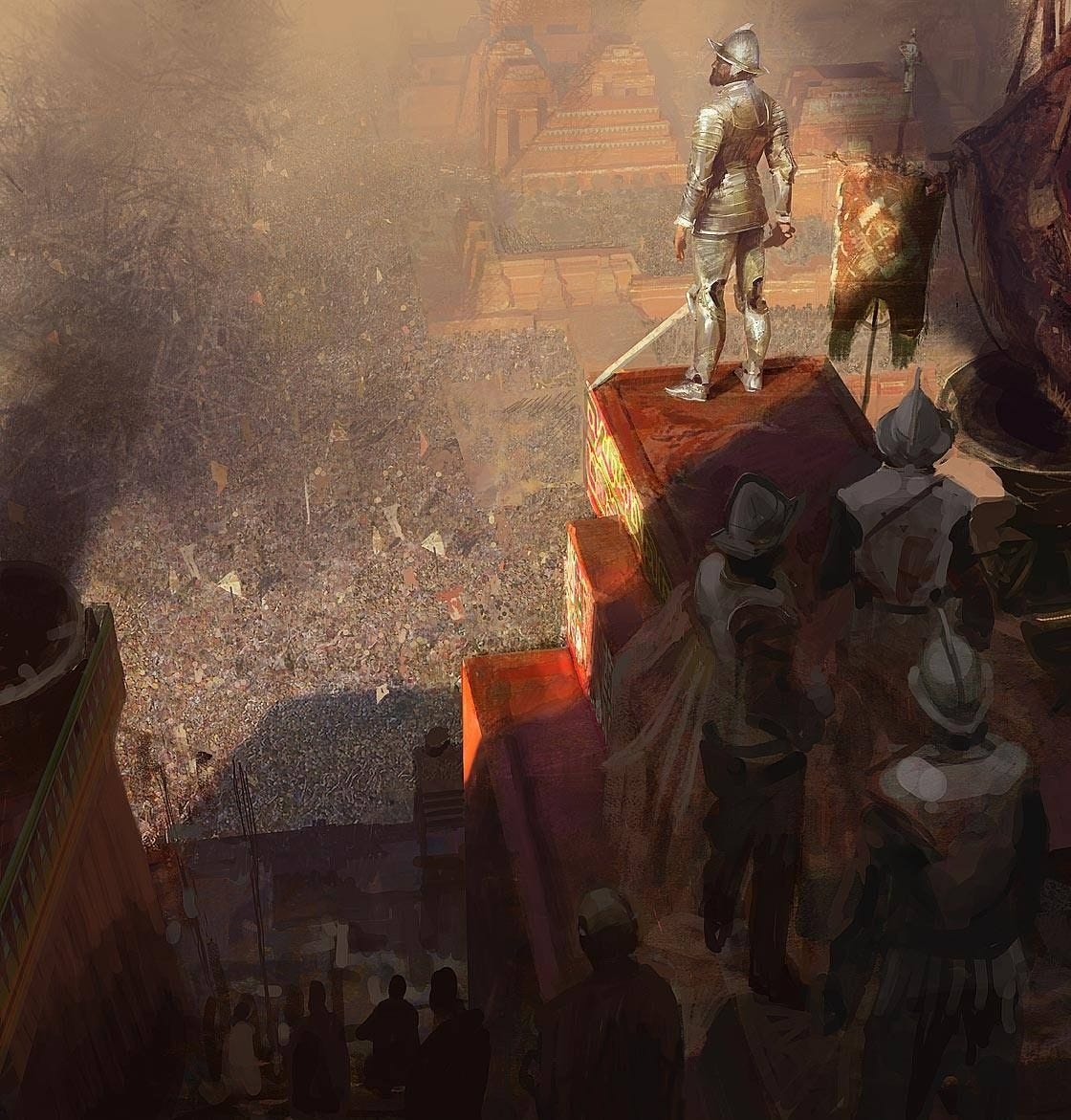
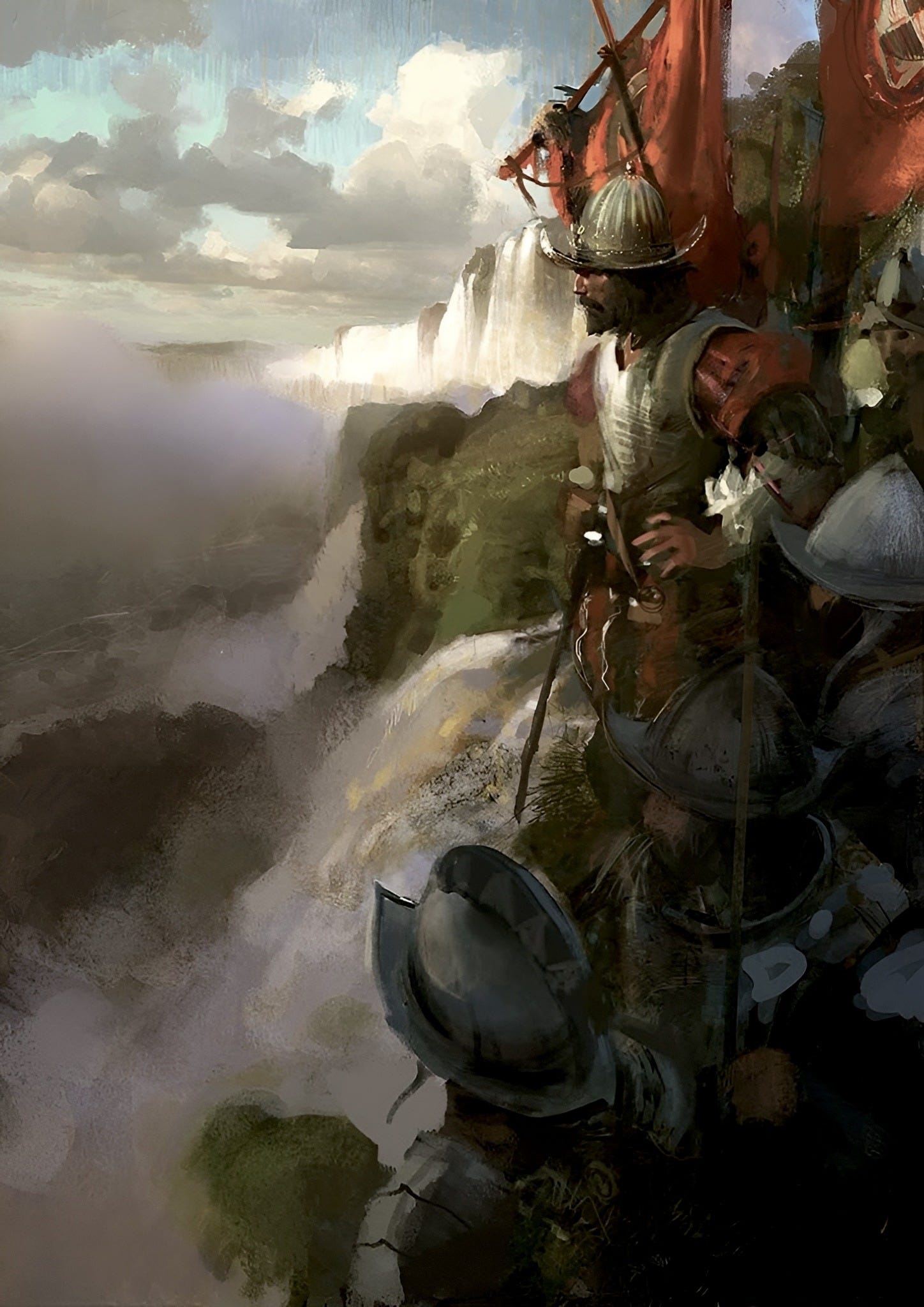
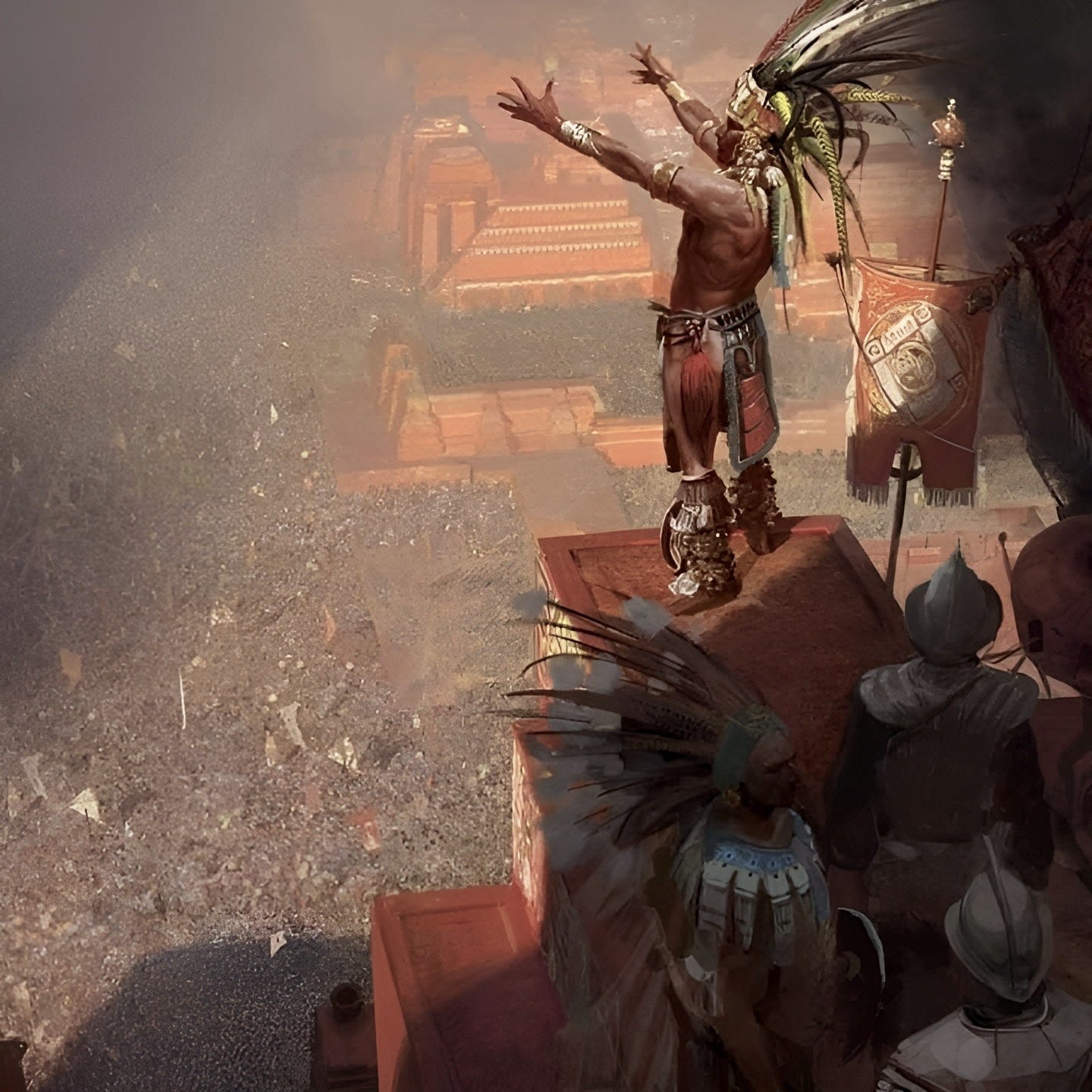
Thus, when a culture’s animating principle becomes disordered beyond repair — or when it comes into direct contact with a stronger and more virtuous one — it does not merely decline; it collapses inward, often in a final display of orgiastic violence. The clash between the Spanish conquistadors and the Aztecs offers a vivid illustration. A civilization hollowed out by ritualized violence and metaphysical despair imploded the moment it collided with a Christian culture whose animating principle proved stronger, sharper, and more disciplined.
Reminder: You can get tons of members-only content dedicated to useful knowledge, and support our Mission at the same time for a few dollars per month 👇
Two full-length, new articles every single week
Access to the entire archive of useful knowledge that built the West
Get actionable principles from history to help you navigate modernity
Support independent, educational content that reaches millions
Cultures that Pursue Truth, Goodness, and Beauty are Better
A culture’s relationship to truth, goodness, and beauty determines its destiny. Some perceive the world as ordered, meaningful, and worthy of contemplation, while others see it as chaotic, arbitrary, or governed by forces that demand appeasement rather than understanding. Entire ritual economies — from the Mediterranean to the Valley of Mexico — were once shaped by such divergent visions of reality.
Civilizations that affirm objective truth, cultivate moral goodness, and revere genuine beauty develop institutions capable of sustaining human flourishing. They build legal systems grounded in universal principles, educational structures that elevate the intellect, and moral frameworks that discipline desire. They also nurture artistic and architectural traditions that reflect harmony rather than chaos. Will Durant captured this dynamic succinctly in his Story of Civilization through his observation that “Civilization begins with order, grows with liberty, and dies with chaos” since a culture that loses its grip on truth, goodness, or beauty inevitably loses its ability to maintain order.
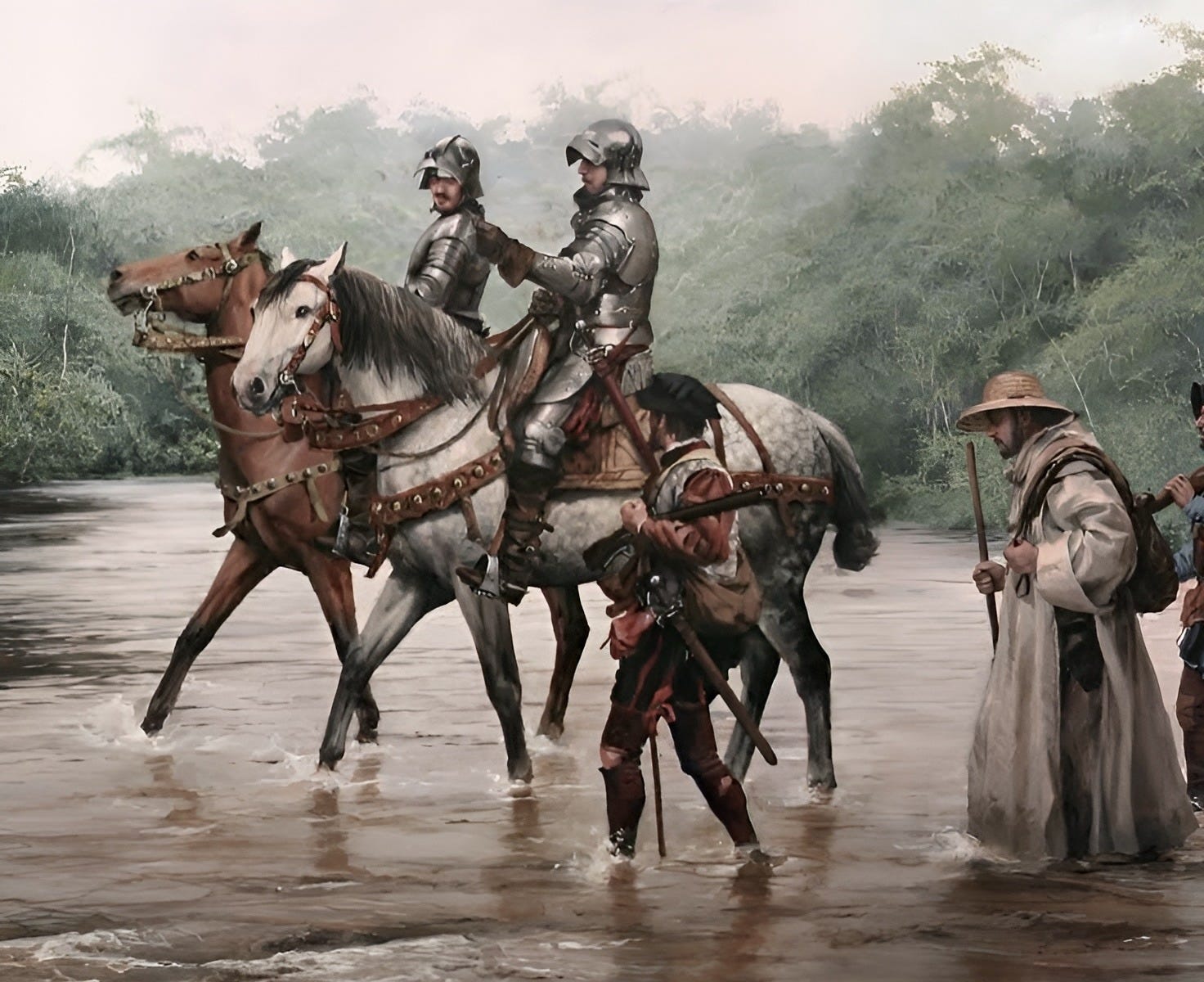
The Spanish, whatever their faults, carried with them a worldview shaped by these transcendentals, and the peoples they encountered did not always share the same orientation. Christianity, with its synthesis of faith and reason, affirmed that the world is intelligible and ordered because it is created by an intelligent and ordered God. Its vision of the Logos provided a metaphysical foundation upon which complex scientific, legal, artistic, and philosophical structures could be built. The pursuit of truth, the cultivation of virtue, and the creation of beauty were not optional embellishments but expressions of a cosmos grounded in divine order.
By contrast, worldviews that sacralize violence or elevate hedonistic ritual killing place themselves at odds with the transcendentals. In enthroning chaos, unrestrained appetite, or bloodshed as sacred — as seen in certain pre‑Columbian cultic practices — they undermine the very conditions required for moral order, intellectual confidence, and artistic flourishing. A cosmos governed by a multitude of capricious gods cannot yield a stable conception of truth; deities who delight in destruction cannot ground a coherent ethic, and a ritual economy built on appeasing violent forces cannot nurture beauty or sustain the contemplative life.
Spengler diagnosed that cultures built on falsehood eventually exhaust themselves, since “Life itself is the will to power, but power without truth is mere decay.” Where Christianity proclaimed a rational and benevolent Creator whose image and likeness is reflected in every human being, alternate worldviews effectively deified human passions — anger, lust, vengeance, appetite — and by enthroning these impulses as divine, perpetuated disorders that obstruct human flourishing. Thus, when a civilization’s cosmology contradicts the moral and aesthetic order of reality, its institutions distort themselves around that inherent contradiction, producing malformed laws, disordered customs, and stagnant intellectual and artistic life — until collapse becomes unavoidable.
In contemporary society, a similar tension emerges as Western civilization grapples with the rise of atheistic materialism. While not as explicitly violent or ritualistic, this worldview often denies objective truth, moral goodness, and transcendent beauty, reducing them to personal preference or social construction. The result is a cultural atmosphere increasingly shaped by relativism and radical individualism which effectively erodes its shared moral and aesthetic foundations. The West’s inheritance of the Logos — its belief in an ordered, meaningful, and beautiful universe — now competes with a worldview that rejects transcendence altogether, raising the question of whether it can sustain coherence once it abandons the metaphysical ground that made truth, goodness, and beauty possible.
Cultures that Promote the Natural Law are Better
Civilizations that recognize the inherent dignity of the human person and order their public life according to natural law create the preconditions for genuine human flourishing. They understand that human beings are not instruments of the state, expendable offerings for ritual, or raw material for political ambition, but members of a moral community bound together by justice — an insight that shaped the moral imagination of Christian Europe long before it crossed the Atlantic.
In his Progress and Religion, Christopher Dawson captured this truth when he observed that the great civilizations have always been based on a profound respect for the spiritual nature of man. A society that honors the person inevitably builds institutions that reflect the moral order inscribed in human nature itself — laws that protect the vulnerable, customs that strengthen civic responsibility, and political systems that seek legitimacy through justice rather than terror. This was the civilizational inheritance the Spanish carried with them into the New World, however inconsistently they embodied it: a conviction that human dignity is not a cultural preference but a truth grounded in the structure of reality.
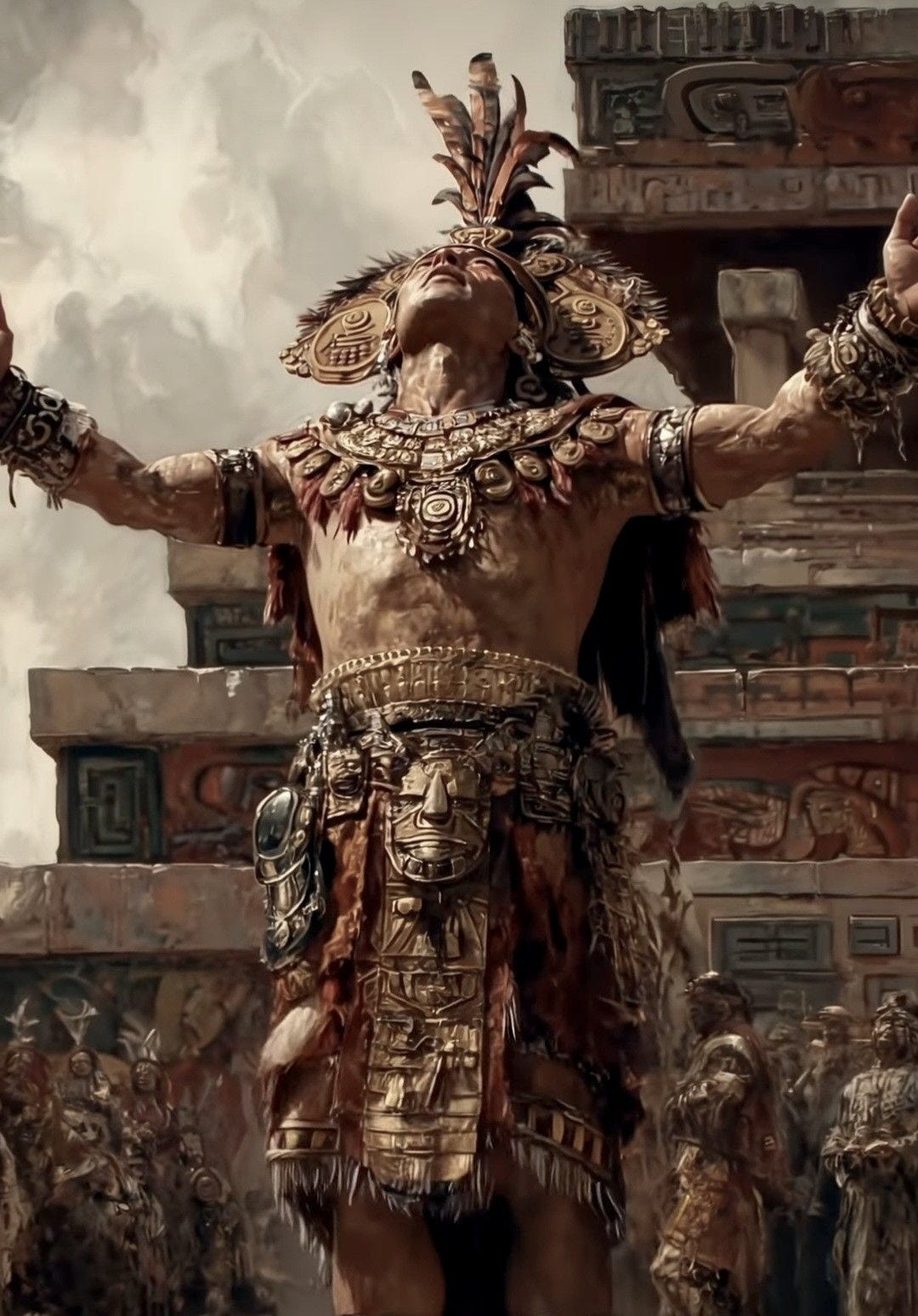
By contrast, cultures that normalize violence — whether through ritualized killing, arbitrary power, or the systematic devaluation of life — erode the very foundations of natural law. When the state or priesthood is permitted to dispose of human life at will, the moral order collapses into brute force, and fear becomes the organizing principle of public life. In the Aztec political‑religious system, violence was not incidental but integral: ritual heart‑extraction, the “flower wars” fought to capture victims, and the sacrifice of children to Tlaloc — offered in the belief that their tears could summon rain— all reflected a worldview in which the person existed to satisfy cosmic demands rather than participate in a rational moral order.

Christian anthropology offered a radically different vision. It held that every human being possesses an intrinsic and inviolable worth, grounded not in social utility, political status, or ritual function but in the very nature of the human person. This understanding shaped European ideas of law, justice, and moral responsibility, and it informed — even if imperfectly — the worldview the conquistadors carried with them. The contrast between the two cultures was therefore not racial but philosophical: one saw the person as an end in himself, the other as a means to sustain the universe.
Durant’s warning remains timeless: “When liberty becomes license, dictatorship is near.” Cultures that sever themselves from natural law eventually cannibalize their own freedoms. The rule of law is not merely a political achievement; it is the juridical expression of a deeper moral reality. History — from Rome to Tenochtitlan — shows that when a civilization abandons the dignity of the person, its collapse is not a matter of chance but of inevitability.
Today, Western societies face a subtler but related crisis as atheistic frameworks increasingly shape public life. Without a transcendent grounding for natural law and human dignity, rights risk becoming mere social conventions, vulnerable to political pressure or ideological fashion. A civilization that drifts from the metaphysical convictions that once anchored its moral order must confront whether it can preserve justice, restraint, and the dignity of the person once it denies the very truths that made those ideals intelligible.
Cultures that Defend the Individual and the Family are Better
The family is the building block of civilization because it is the first school of virtue, the first sanctuary of love, and the first institution through which the dignity of the human person is recognized and protected. How a culture treats the household, and especially its children, reveals its anthropology. Consequently, a civilization shaped by a humane vision defends the family because it understands that the person is not an isolated individual but a being who exists in relationship to others, who has obligations to others, and whose dignity is understood and perfected in relation to others. Such a civilization’s laws support stable marriages, their customs reinforce the complementary responsibilities of mothers and fathers, and their rituals celebrate life. Christopher Dawson was right to insist that “the family is the true unit of culture,” since it is within the household — the domestic kingdom — that the worth of the person is first affirmed, traditions are maintained, and responsibilities are learned.
Christianity offered a radically different vision from cosmologies that sacralized child sacrifice or ritual violence. It taught that every child is a gift — made in the image of God and entrusted to a mother and father whose complementary roles reflect the natural structure of human flourishing. Cultures that demanded the ritual killing of children or captives operated on a fundamentally different anthropology, one that subordinated life to mythic necessity and denied the sovereignty of the family. In the Christian vision, the dignity of the person and the integrity of the household rise or fall together.
In contemporary Western society, the same civilizational fault lines reappear under new guises. Atheistic materialism, while outwardly humane, often reduces the family to a negotiable lifestyle choice and treats children as burdens or commodities. Sexual license is celebrated as liberation, even as it fractures the bonds that once held communities together. The natural complementarity of men and women is dismissed as an outdated social construct, and the authority of parents is steadily eroded by bureaucratic and ideological pressures. The West must now confront whether a culture that sacrifices its children to the gods of convenience, dissolves its families in the name of autonomy, and rejects the metaphysical dignity of the person can endure at all.
A civilization that has ceased to believe in transcendence inevitably loses the very vocabulary with which to defend the family since it no longer knows why the household — or the human person — should be honored and defended in the first place.
Cultures that Promote Virtue are Better
The individual person is a microcosm of the society he inhabits, and the society is nothing more than the collection of individual persons. Virtue, therefore, is not simply a personal pursuit but the animating force that determines the rise or fall of civilization.
A people formed in the virtues of prudence, justice, fortitude and temperance will inevitably build institutions that mirror these qualities, and a people habituated to vice will construct disordered institutions that celebrate that vice. As a result, what a man practices in private becomes what a culture enshrines in public since the moral habits of individuals become the moral architecture of their culture.
Cultures shaped by Greco-Roman philosophy and Christian theology understood this truth instinctively. They emphasized self‑restraint, moral responsibility, and the disciplined pursuit of the good. Their festivals honored noble ideals rather than base appetites, and their educational systems formed character as well as intellect, teaching not only what to think but how to live well. Their social norms encouraged fidelity, temperance, honor, and the protection of the vulnerable — recognizing that no civilization can rise higher than the virtues it cultivates in its people. For these, natural law was not an abstraction but a lived reality: order in the soul produced order in the city.

By contrast, cultures that normalize vice — whether through ritualized violence, unrestrained sexuality, or the elevation of appetite over discipline — begin to degenerate as they descend into disorder. The Aztec world offers a stark illustration: a society that sacralized bloodletting, eroticized violence, and wove intoxication into its festivals inevitably trained its people to indulge impulses that could never sustain a stable moral order. A people habituated to appeasing appetite — whether the appetite of gods or of men — soon finds itself governed by those very appetites. And when vice becomes their custom, custom becomes their law, and law becomes their destiny. The collapse begins not at the borders but in the soul, for disordered individuals inevitably create disordered societies.
Spengler warned that when a culture loses its moral center, it hardens into a civilization — rigid, brittle, and doomed to decline. “When the soul of a culture dies,” he wrote, since “its forms petrify.” The outward structures may remain — its temples, its laws, its ceremonies — but the animating spirit has dissipated. What was once a living culture becomes a hollow shell, preserved in form but dead in substance. Similarly, Durant distilled the lesson of history into a single line: “A great civilization is not conquered from without until it has destroyed itself from within.” No external enemy can defeat a people who remain virtuous, disciplined, and united in purpose, but a culture that abandons virtue prepares its own ruin long before the first invader arrives.
In contemporary Western society, the same dynamic unfolds under secular and atheistic forms. A worldview that denies transcendence inevitably reduces virtue to preference and vice to self‑expression. The natural‑law ideals of honor, discipline, temperance, and responsibility are dismissed as relics of an oppressive past, while appetites are elevated to rights and impulses to identities. A culture that habituates individuals to self‑indulgence will soon find its institutions reshaped in that image — fragmented, incoherent, and unable to command loyalty or sacrifice from its people. The West must now confront whether a civilization that trains its citizens to reject restraint, mock virtue, and enthrone desire can long endure, or whether it is quietly preparing the conditions for its own dissolution from enemies without and within.

Why Some Cultures are Objectively Better
A sober reading of history makes one truth unavoidable: some cultures are objectively better than others because some align themselves with the moral order of reality while others rebel against it. Cultures that honor the dignity of the human person, uphold natural law, defend the family, and cultivate virtue create the conditions in which human beings can flourish. They build institutions marked by justice, discipline, and restraint; they form citizens capable of self‑government; they transmit a vision of life ordered toward truth, goodness, and beauty. Such cultures do not rise by accident. They rise because they conform themselves to the grain of the universe — because they recognize that the person is sacred, the family is sovereign, and virtue is the foundation of every enduring civilization.
By contrast, cultures that enthrone appetite, dissolve the household, deny human dignity, or sever themselves from transcendence inevitably sow the seeds of their own destruction. History offers no clearer warning than the fate of the Aztec empire: a civilization hollowed out by ritualized violence and metaphysical despair collapsed the moment it confronted a culture whose animating principle was stronger, sharper, and more ordered. Its downfall was not merely military, it was moral. A people habituated to bloodshed and governed by appetite had already prepared its own ruin long before the Spaniards arrived.
Yet even so, no culture — however noble — automatically confers virtue on its members, just as no flawed culture dooms every individual within it to vice. The moral drama of the human person unfolds in freedom, and individuals can rise above the failures of their society or fall short of the ideals their society upholds.
It may offend modern sensibilities, but Christian culture is objectively better — because it aligns with the moral order of reality itself. If the West forgets this truth, it will not merely decline, it will collapse — just as every culture that rebelled against the moral order of the universe has collapsed. The only question that remains is whether we will recover what made us great, or whether we will join the ruins of those who refused to learn from history.
Join the fight for the Soul of our Civilization!
By subscribing to Atlas Press, you are supporting an honest group of guys who are working to help revitalize Western Civ through the re-enrichment of the Western mind. We appreciate your support greatly.
Arguing that the Aztec-Spanish clash was solely because of cultural differences and not because of race is ridiculous. Radical misunderstanding of civilizations that seems to completely neglect external factors.
Well, this is abominable. The European genocide in the Americas was merely the inevitable outcome of its culture that valued individuals? Are you serious?