
10 Laws of Leadership from the Life of Napoleon
The Art of Command


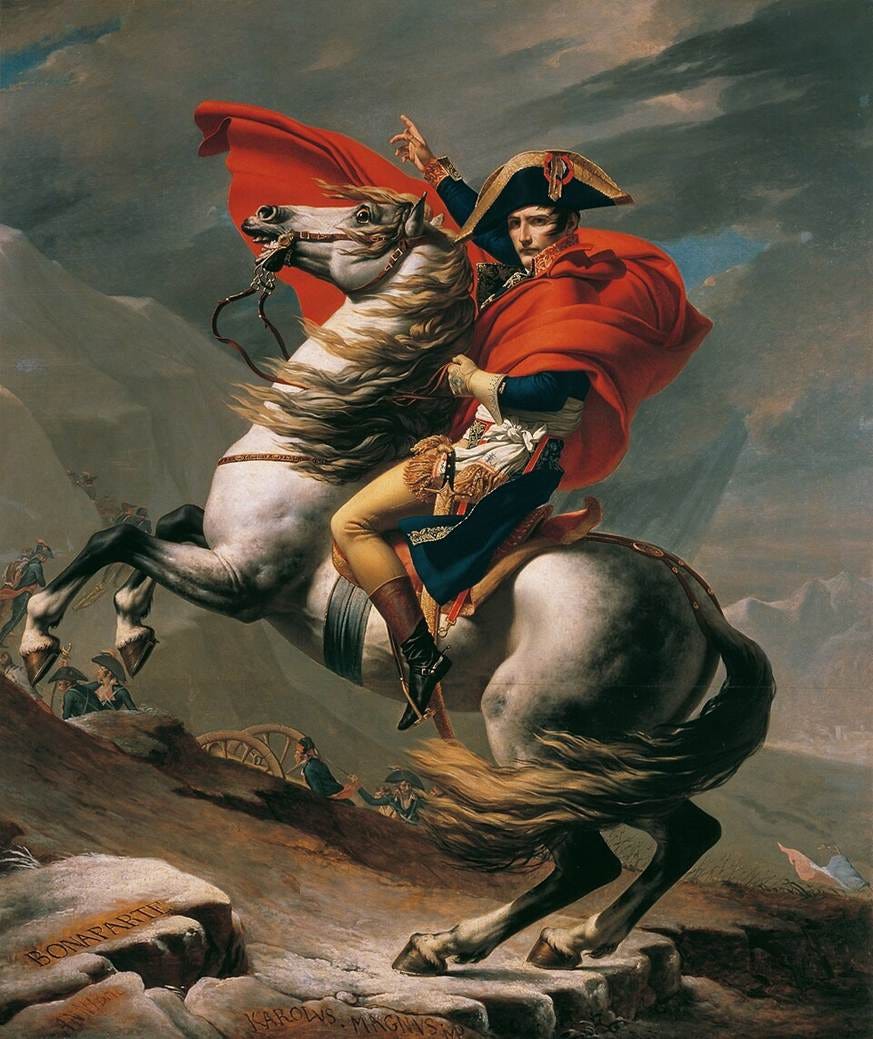
Napoleon Bonaparte stands as one of history’s most enigmatic figures, looming over the nineteenth century as both conqueror and lawgiver, tyrant and visionary. His career, which was marked by spectacular triumphs and catastrophic defeats, continues to both inspire and terrify, but most of all, it offers us a treasury of lessons on the nature of leadership.
To study Napoleon Bonaparte is to study the very art of command, for in his person were embodied the paradoxes of power: relentless energy and calculated repose, audacity bordering on madness and cold rationality, mercy entwined with ruthlessness, humility alongside boundless ambition.
Rising from obscurity on the Mediterranean island of Corsica, this young soldier rose through the ranks of the French army and came to dominate the continent of Europe – forever reshaping its laws, institutions, and imagination. His life was a theatre in which the drama of leadership played to its fullest intensity, and from it emerged principles of command that transcend his age, echoing both the lessons of antiquity and the warnings for the future.
Reminder: To get our members-only content every week and support our mission, upgrade to a paid subscription for a few dollars per month. You’ll get:
Two full-length, new articles every single week
Access to the entire archive of useful knowledge that built the West
Get actionable principles from history to help navigate modernity
Support independent, educational content that reaches millions
Lead from the Front
The first principle of command is presence, and Napoleon embodied it with a relentless vigor that seemed almost supernatural. His soldiers revered him not merely for his victories but because he shared their hardships without reserve. On campaigns, he rode with them through the mud and snow, his cloak heavy with rain, his boots worn by long marches. Long after others had retired to their chambers to sleep, Napoleon dictated orders by candlelight, only to rise before dawn and stand among his men, appearing rested and ready for battle. At Austerlitz (1805), he was seen by his soldiers to be surveying the mist‑shrouded battlefield as the sun broke through, his confident silhouette serving as a dramatic foreshadowing of his historic triumph.
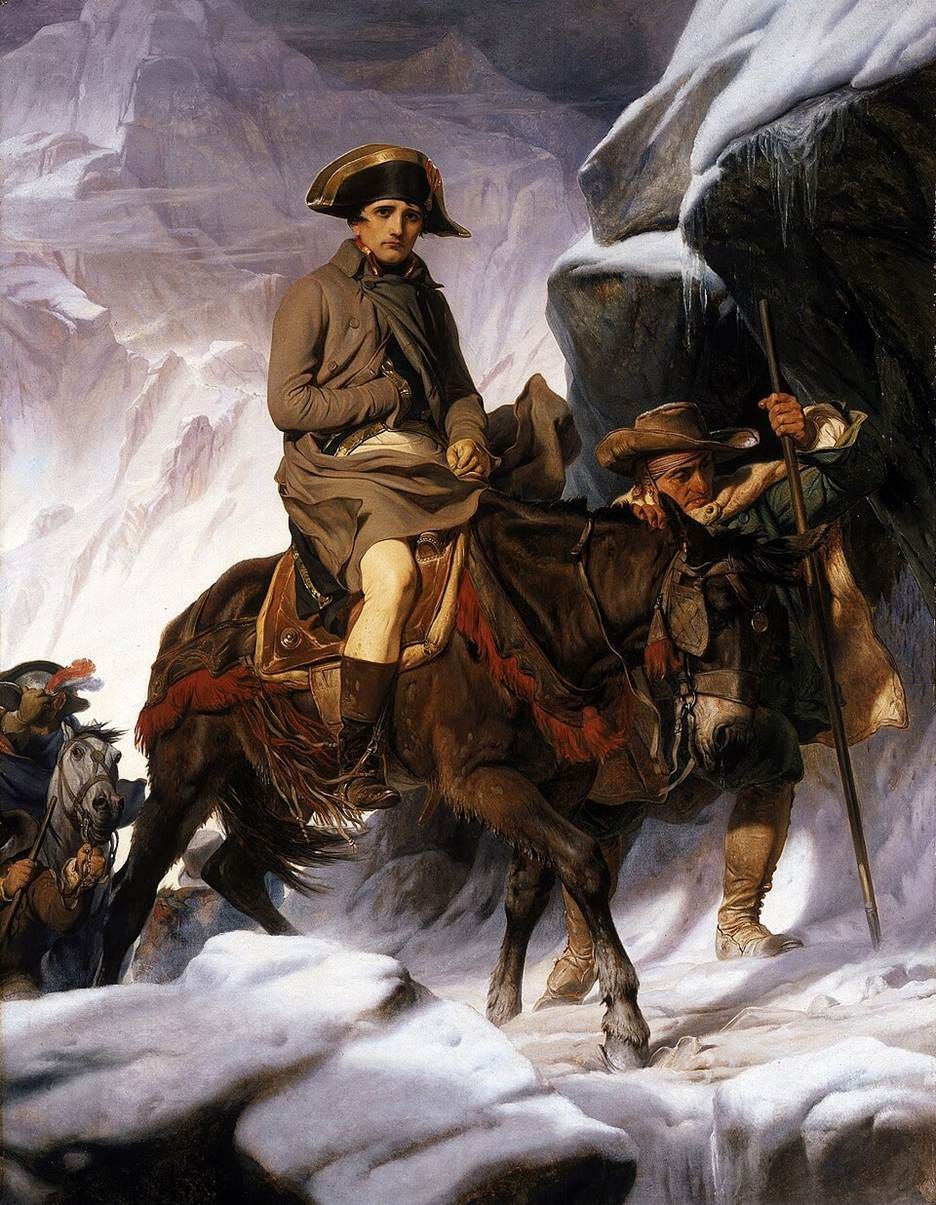
Leadership demands that the commander’s very body become a living banner of inspiration and devotion, and a pledge that suffering and fatigue are borne equally by ruler and ruled.
Harness the Power of Faith
Though a son of the Enlightenment, Napoleon understood a truth older than philosophy – men aren’t moved by reason alone, but by faith. He recognized that the soul of France was weary of revolution’s chaos and longed for something secure and sacred and forged the Concordat with the Papacy (1801), effectively reconciling the altar and the empire. By binding spiritual authority to his temporal throne, he clothed his rule in sacred language and transformed politics into liturgy. Soldiers marched beneath banners blessed by priests, peasants saw in him a messianic figure, and devotion to his cause deepened into a fanatic loyalty.
Leadership, he revealed, is magnified when it resonates with the eternal, as armies march more confidently when they believe God himself has consecrated their cause.

 | A guest post by
|